EXCLUSIVE: How a Hit Liam Payne Song About Drunken Balcony Fall ‘Predicted’ His Death Five Years Before Drug-Addled Singer Plunged to His End
The Eerie Parallels Between Liam Payne’s Song and His Untimely Death

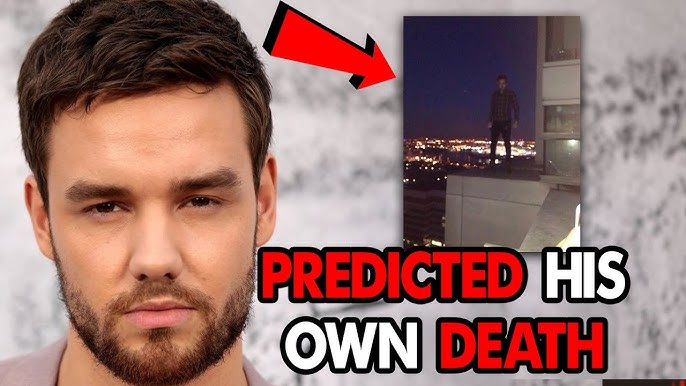
Liam Payne, the former One Direction star, remains in the spotlight not just for his musical legacy but also for a haunting revelation tied to one of his most memorable songs. Released in 2019, “Live Forever” was penned by songwriter Samuel Preston, who drew inspiration from his own harrowing experience of a drunken balcony fall in 2017. Tragically, Payne’s life ended in 2024 after a similar drug-fueled fall from a hotel balcony in Argentina, sparking a wave of speculation and sorrow among fans and industry insiders alike.
The song “Live Forever” was originally intended as a reflection on survival and the fragility of life. However, the eerie symmetry between the song’s backstory and Payne’s death has left many grappling with disbelief. Preston himself expressed deep unease about the coincidence, stating that the parallels were “uncanny and deeply troubling.” This connection has cast a new, somber light on the lyrics and the emotional weight behind the track.
Samuel Preston’s Near-Fatal Fall and Its Impact on ‘Live Forever’

Samuel Preston, the frontman of The Ordinary Boys, experienced a life-altering accident in Denmark in 2017 when he fell from a second-floor hotel balcony after consuming excessive amounts of Champagne. The fall resulted in multiple broken bones and a punctured lung, with doctors initially fearing he might never walk again. Preston spent six months in a wheelchair and underwent extensive surgeries, including the insertion of metal plates to stabilize his injuries.
This traumatic event profoundly shaped Preston’s outlook on life and inspired him to write “Live Forever.” The song was meant as a cautionary tale—a personal message about the dangers of reckless behavior and the preciousness of survival. Preston hoped that sharing his story through music might resonate with others, perhaps even prevent similar tragedies.
However, Preston later revealed that despite his intentions, it’s difficult to offer advice to someone who isn’t ready to hear it. His own journey through recovery was marked by physical pain and psychological struggle, including a battle with painkiller addiction that he eventually overcame.
Unsettling Reflections on Liam Payne’s Character and Struggles

Those close to Preston describe a profound connection between him and Liam Payne, rooted in shared experiences of hardship and misunderstanding. Preston spoke warmly of Payne, calling him a “very funny, sweet, kind guy” and a “great talent” who was often misunderstood by the public and media.
The songwriter expressed regret that he couldn’t do more to help Payne during his struggles, though he acknowledged that intervention is complex and not always within one’s power. The tragic outcome has left Preston and others reflecting on the fragility of life and the hidden battles many celebrities face behind the scenes.
How ‘Live Forever’ Became an Unintended Prophecy

“Live Forever” was never meant to predict a future tragedy. Instead, it was a raw, heartfelt recounting of survival and the will to overcome adversity. Yet, the song’s lyrics and origin story have taken on a new, chilling significance in light of Payne’s death.
The phrase “live forever” itself evokes a desire to defy mortality, a theme that resonates deeply given the circumstances. Fans and critics alike have revisited the track, finding new layers of meaning that were not apparent when it was first released.
This unintended prophecy highlights the complex relationship between art and life, where creative expression can sometimes mirror reality in unexpected and unsettling ways.
The Lasting Impact of Trauma on Creativity and Life
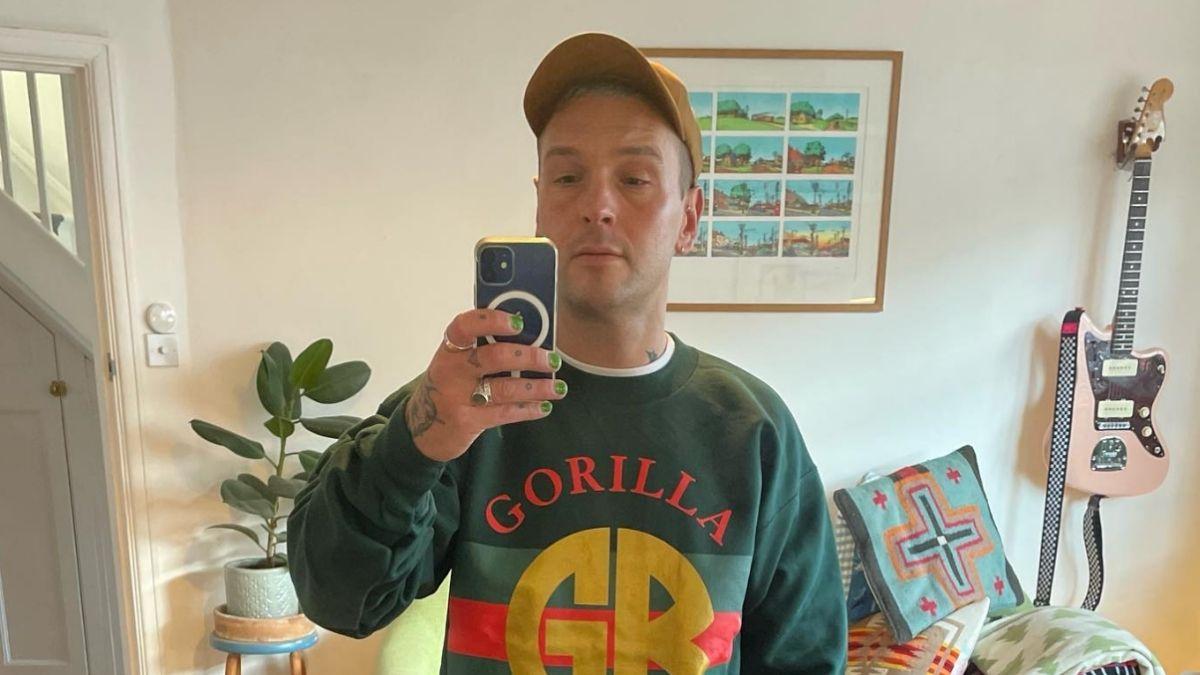
Preston’s fall and subsequent recovery left an indelible mark on his life and work. The psychological aftermath of his accident, coupled with the physical challenges, influenced not only “Live Forever” but also his broader artistic vision.
Sources close to Preston describe this period as one filled with dread and transformation. The experience of near-death and addiction recovery brought a depth of emotion and authenticity to his music that continues to resonate.
Similarly, Payne’s tragic death has prompted fans and fellow artists to reflect on the pressures of fame, the dangers of substance abuse, and the importance of mental health awareness.
Conclusion
1729166511-0/liam-(6)1729166511-0.jpg)
The haunting connection between Liam Payne’s hit song “Live Forever” and his tragic death five years later serves as a sobering reminder of life’s fragility and the hidden struggles many endure. While the song was intended as a cautionary tale inspired by Samuel Preston’s own near-fatal accident, its eerie parallels to Payne’s fate have left fans and friends grappling with grief and disbelief.
If you or someone you know is struggling with addiction or mental health issues, don’t hesitate to seek help. Remember, reaching out can be the first step toward survival and healing. For more insights and support resources, stay connected with our latest updates.