EXCLUSIVE: Nicole Kidman ‘Depression’ Fears — Actress Sparks Worries She’s ‘Going Down a Black Hole’ After ‘Astonishingly Bleak’ Career Admission
Nicole Kidman, the internationally renowned actress, has recently stirred concern among her close circle after making a candid and deeply personal revelation about her mental health. During a public appearance, Kidman spoke openly about her fears of depression and shared an “astonishingly bleak” perspective on her career and life, prompting insiders to worry that she might be “going down a black hole.” This article delves into the details of Kidman’s emotional journey, her new ambition to train as a death doula, and the broader implications for her well-being.
Nicole Kidman’s Depression Fears and Career Reflections
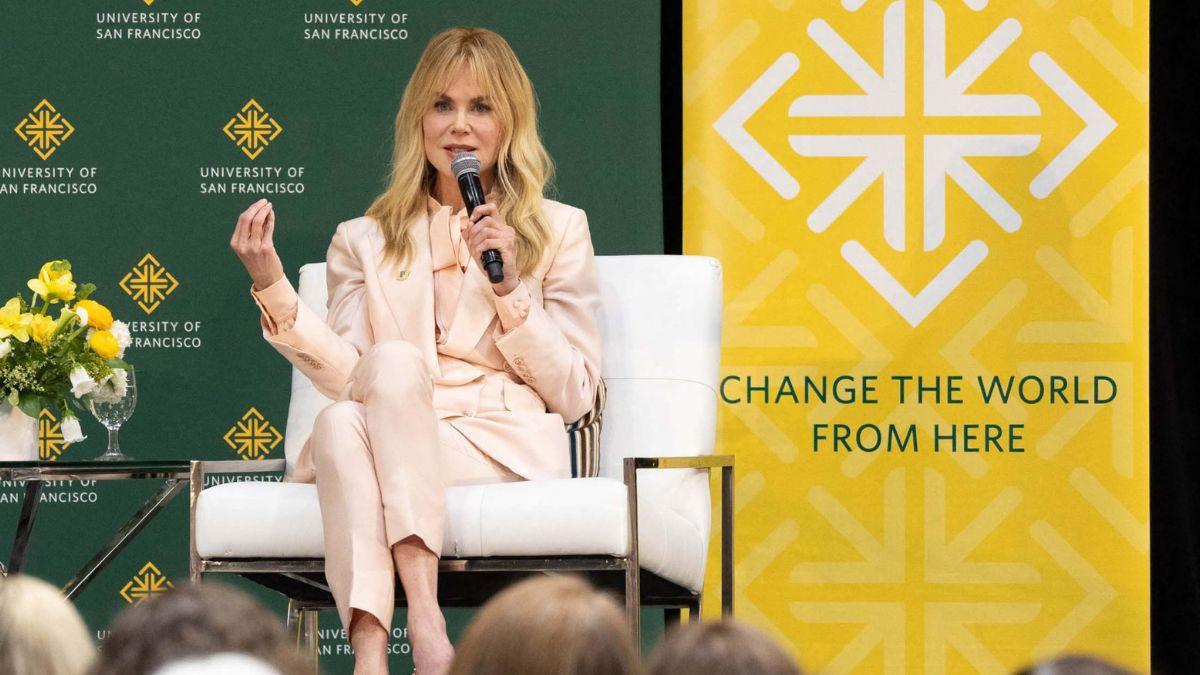
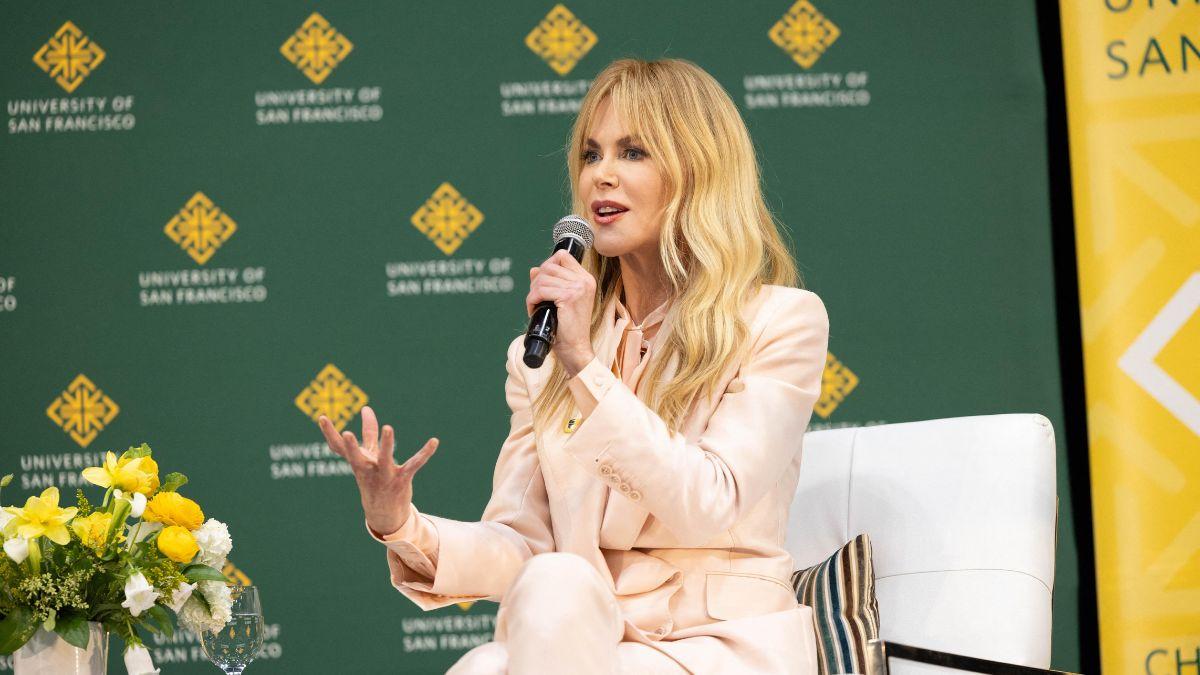
At 58 years old, Nicole Kidman has enjoyed a celebrated career spanning decades, marked by critically acclaimed performances and numerous accolades. However, beneath the surface of her professional success, the actress has recently revealed a more somber outlook. During a talk at the University of San Francisco’s War Memorial Gym as part of the Silk Speaker Series, Kidman disclosed her intention to study end-of-life care formally, inspired by the emotional impact of her mother Janelle Ann Kidman’s passing in September 2024.
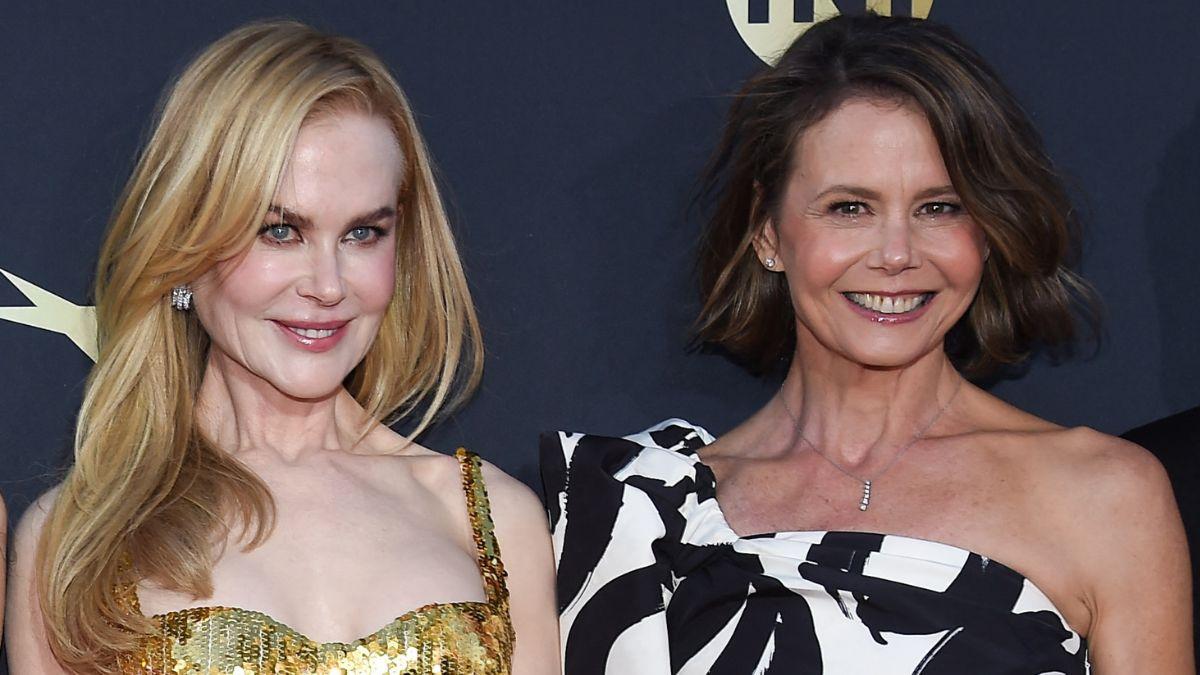
Reflecting on her mother’s final days, Kidman described the profound loneliness her mother experienced and the challenges she and her sister Antonia faced balancing family responsibilities with their demanding careers. She expressed a heartfelt wish for impartial caregivers who could provide solace during such difficult times, which motivated her to pursue death doula training.
An insider close to Kidman revealed that while her compassion is admirable, her intense focus on mortality and grief is raising red flags. The source explained, “What she’s expressing is not just empathy—it’s a preoccupation with death that those around her find deeply concerning. There’s a fear she’s retreating emotionally and may be at risk of spiraling into depression.”
The Emotional Toll of Grief and the Death Doula Path
Kidman’s decision to become a death doula is part of a growing trend among celebrities who are turning to end-of-life care as a way to process their own grief and find meaning. Death doulas provide emotional, spiritual, and practical support to individuals nearing the end of life, helping to ease the transition for both the dying and their families.
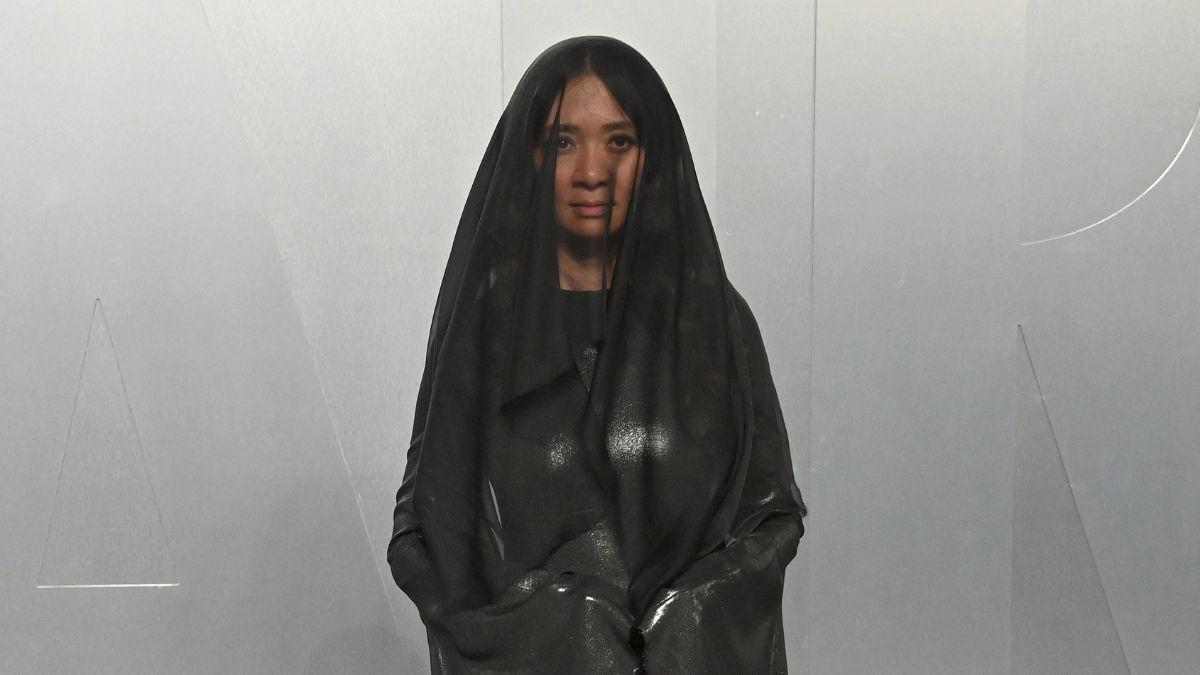
Riley Keough, another high-profile figure, has spoken openly about how death doula work helped her cope with the losses of her brother and mother. Similarly, filmmaker Chloé Zhao recently completed Level 1 death doula training in the UK, citing her lifelong fear of death as a motivation to better understand and embrace mortality.
Experts note that while confronting death can be healing, it also has the potential to open emotional wounds that are difficult to manage without adequate support. Those close to Kidman are reportedly concerned about whether she has the necessary resources and guidance as she navigates this challenging emotional terrain.
Understanding the Broader Impact on Mental Health
The connection between grief, depression, and mental health is complex. Kidman’s public admission shines a light on how deeply personal losses can affect even the most successful individuals. Mental health professionals emphasize the importance of recognizing signs of emotional withdrawal and seeking help early.
Kidman’s openness may encourage others facing similar struggles to speak out and seek support. However, it also underscores the need for a compassionate approach to mental health, especially when dealing with themes as heavy as death and loss.
Conclusion

Nicole Kidman’s recent revelations about her fears of depression and her “astonishingly bleak” career outlook have sparked genuine concern among those close to her. Her pursuit of death doula training reflects a profound desire to find solace and meaning amid grief, but it also highlights the emotional challenges she faces. As fans and supporters, it is important to recognize the courage it takes to share such vulnerabilities publicly.
If you or someone you know is struggling with grief or depression, don’t hesitate to seek professional help. Mental health support can make a significant difference in navigating difficult times. Stay informed and compassionate—because understanding and support are crucial for healing.