**Meta Description:**
Tanya Simon, the former executive producer of CBS’s “60 Minutes,” has announced her intention to sue the program following her controversial dismissal. In her statement, she expresses her frustration over being scapegoated and vows to fight back. Discover the details of her case and the implications for the future of investigative journalism.
Tanya Simon’s Legal Battle Against CBS’s “60 Minutes”
In a shocking turn of events, Tanya Simon, the executive producer of CBS’s renowned news program “60 Minutes,” has declared her intention to file a lawsuit against the network. After being dismissed from her position, Simon has voiced her concerns about the treatment she received and the blame placed on her and her team. This article delves into the details of her dismissal, the reasons behind her legal action, and the broader implications for the world of investigative journalism.
The Circumstances Surrounding Tanya Simon’s Dismissal

Tanya Simon’s departure from “60 Minutes” was not just a simple firing; it was a culmination of various factors that have raised eyebrows within the media industry. Simon, who had been a pivotal figure in shaping the program’s investigative style, was let go amid allegations of mismanagement and editorial failures. However, many insiders believe that her dismissal was more about scapegoating than actual wrongdoing.
The controversy began when a high-profile segment on the program faced backlash for its handling of sensitive information. Critics argued that the segment lacked depth and failed to provide a balanced perspective. As the pressure mounted, CBS executives sought a quick resolution, leading to Simon’s abrupt exit. In her statement, she expressed her dismay at being made the fall person for decisions that involved multiple stakeholders.
Simon’s decision to pursue legal action stems from her belief that she has been unfairly targeted. In her own words, she stated, “I can no longer stay silent while they place all the blame on us.” This statement resonates with many in the industry who have witnessed similar scapegoating tactics in the past.
The Legal Grounds for Simon’s Lawsuit
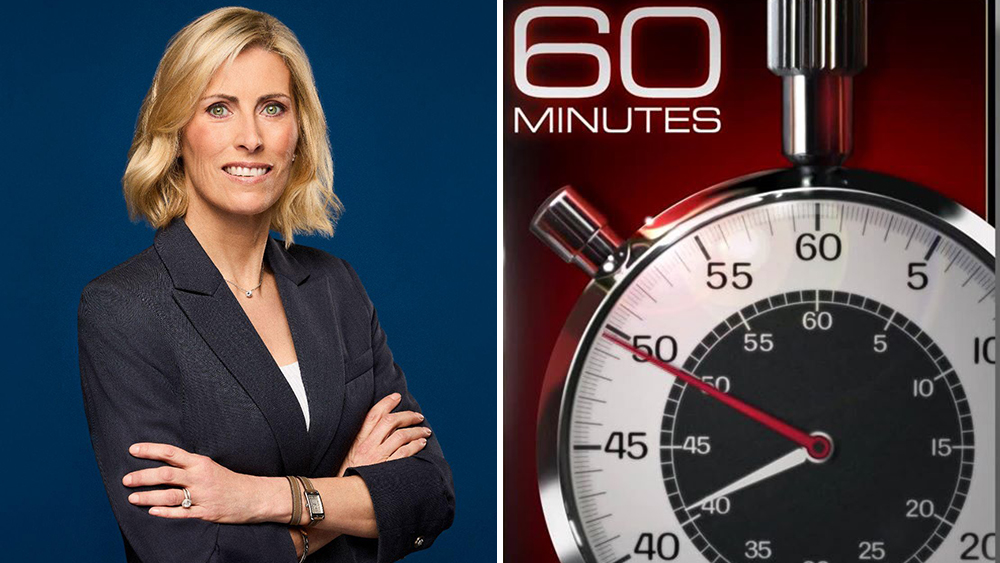
Tanya Simon’s lawsuit is expected to focus on several key legal grounds, including wrongful termination and defamation. As an executive producer, Simon had a significant role in editorial decisions, and she argues that her dismissal was not only unjust but also damaging to her professional reputation.
1. **Wrongful Termination:** Simon’s legal team is likely to argue that her firing was not based on legitimate performance issues but rather on external pressures and the need for CBS to deflect criticism. If successful, this claim could set a precedent for how media organizations handle internal disputes and accountability.
2. **Defamation:** In addition to wrongful termination, Simon may pursue a defamation claim against CBS. She asserts that the network’s portrayal of her as the sole individual responsible for the segment’s failure has harmed her reputation in the industry. Defamation cases can be challenging to prove, but if Simon can demonstrate that CBS made false statements about her conduct, she may have a strong case.
3. **Breach of Contract:** Depending on the terms of her employment, Simon may also have a claim for breach of contract. If CBS failed to follow proper procedures in her dismissal, she could argue that her rights as an employee were violated.
The outcome of Simon’s lawsuit could have significant ramifications not only for her career but also for CBS and the broader media landscape. As the case unfolds, it will be essential to monitor how it impacts the practices of investigative journalism and the treatment of producers and journalists within the industry.
The Broader Implications for Investigative Journalism

Tanya Simon’s situation raises critical questions about the future of investigative journalism and the pressures faced by media professionals. As news organizations grapple with financial constraints and public scrutiny, the risk of scapegoating individuals for collective failures becomes more pronounced.
1. **Accountability in Media:** Simon’s case highlights the need for greater accountability within media organizations. When mistakes occur, it is essential for networks to address them transparently rather than placing blame on individuals. This approach not only fosters a healthier work environment but also maintains the integrity of journalism.
2. **Support for Journalists:** The challenges faced by journalists and producers like Simon underscore the importance of support systems within news organizations. Providing resources for mental health, legal assistance, and professional development can empower employees to navigate the complexities of their roles without fear of unjust repercussions.
3. **Public Trust in Journalism:** The public’s trust in journalism is fragile, and incidents like Simon’s dismissal can further erode that trust. When audiences perceive that media organizations are more concerned with protecting their reputations than delivering accurate reporting, it can lead to skepticism and disengagement from news consumption.
As Tanya Simon embarks on her legal journey, the media industry must reflect on its practices and prioritize the well-being of its employees. The outcome of her case could serve as a catalyst for change, prompting networks to adopt more equitable and transparent practices.
Conclusion
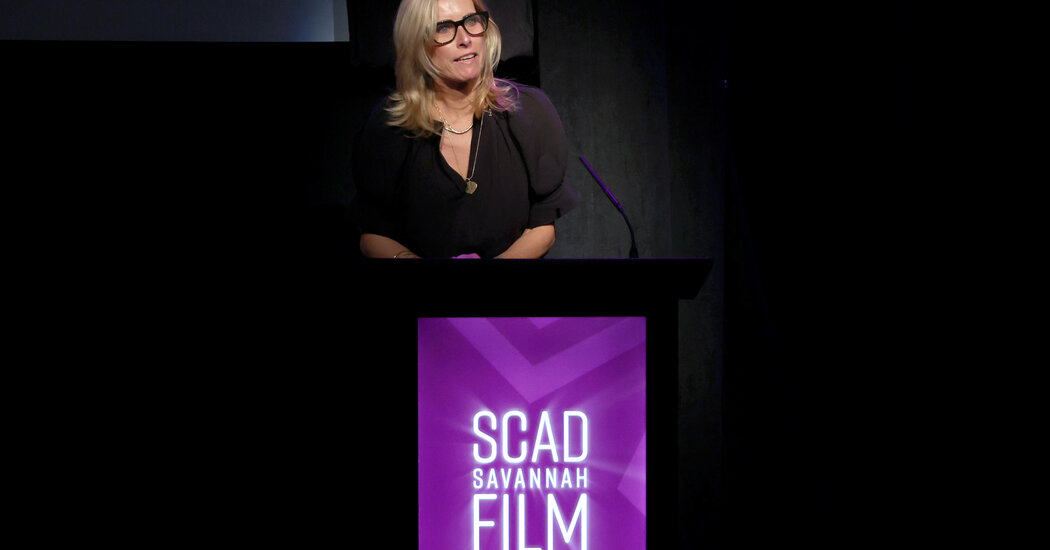
Tanya Simon’s announcement of her intention to sue CBS’s “60 Minutes” marks a pivotal moment in the ongoing conversation about accountability in journalism. As she seeks justice for what she believes to be an unjust dismissal, her case has the potential to reshape the landscape of investigative reporting.
For those interested in following this unfolding story, it is crucial to stay informed about the developments in Simon’s lawsuit and the implications it may have for the future of journalism. The fight for fairness and accountability in media is far from over, and your voice matters. Join the conversation and advocate for a more just and transparent media landscape.