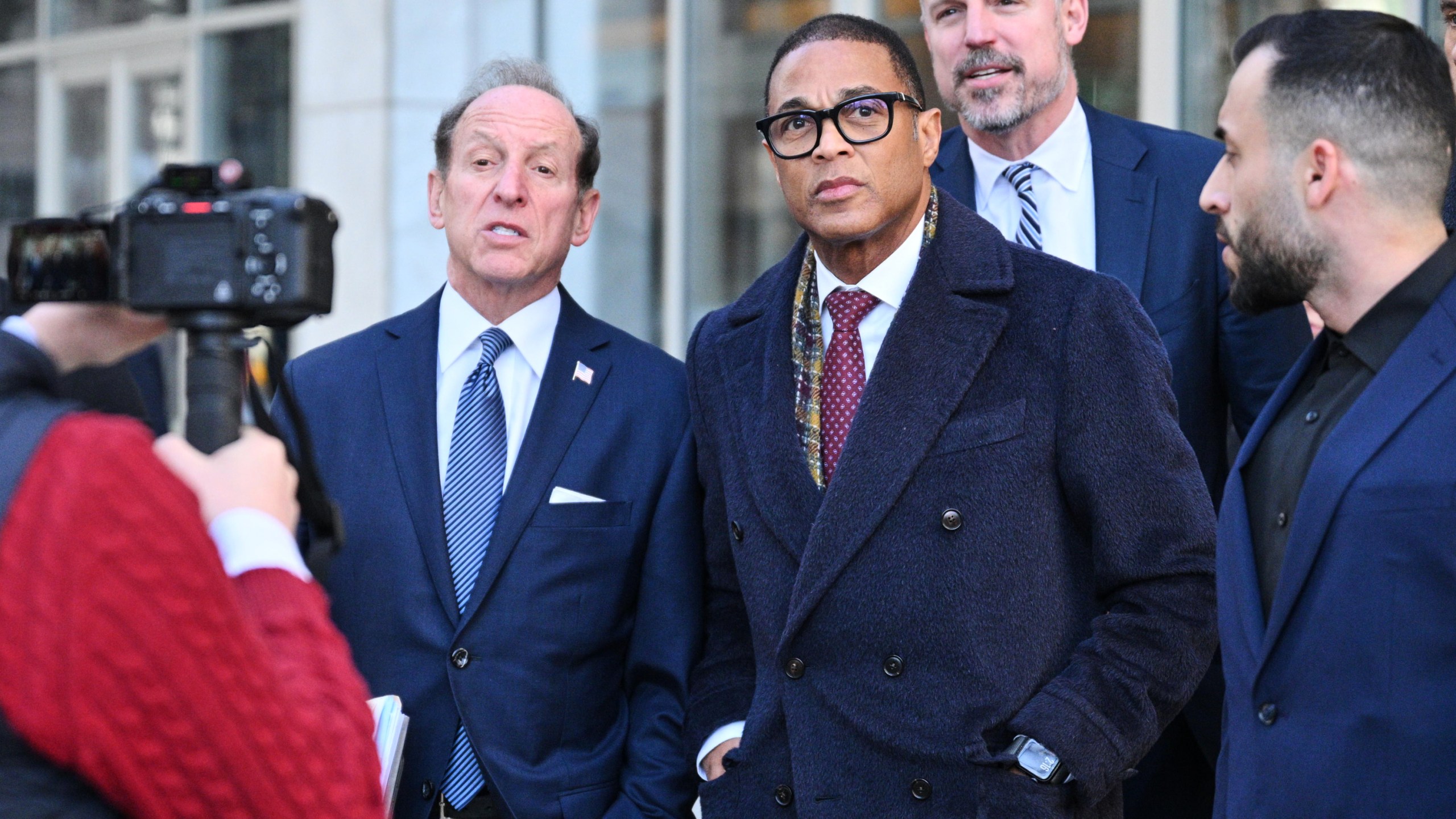
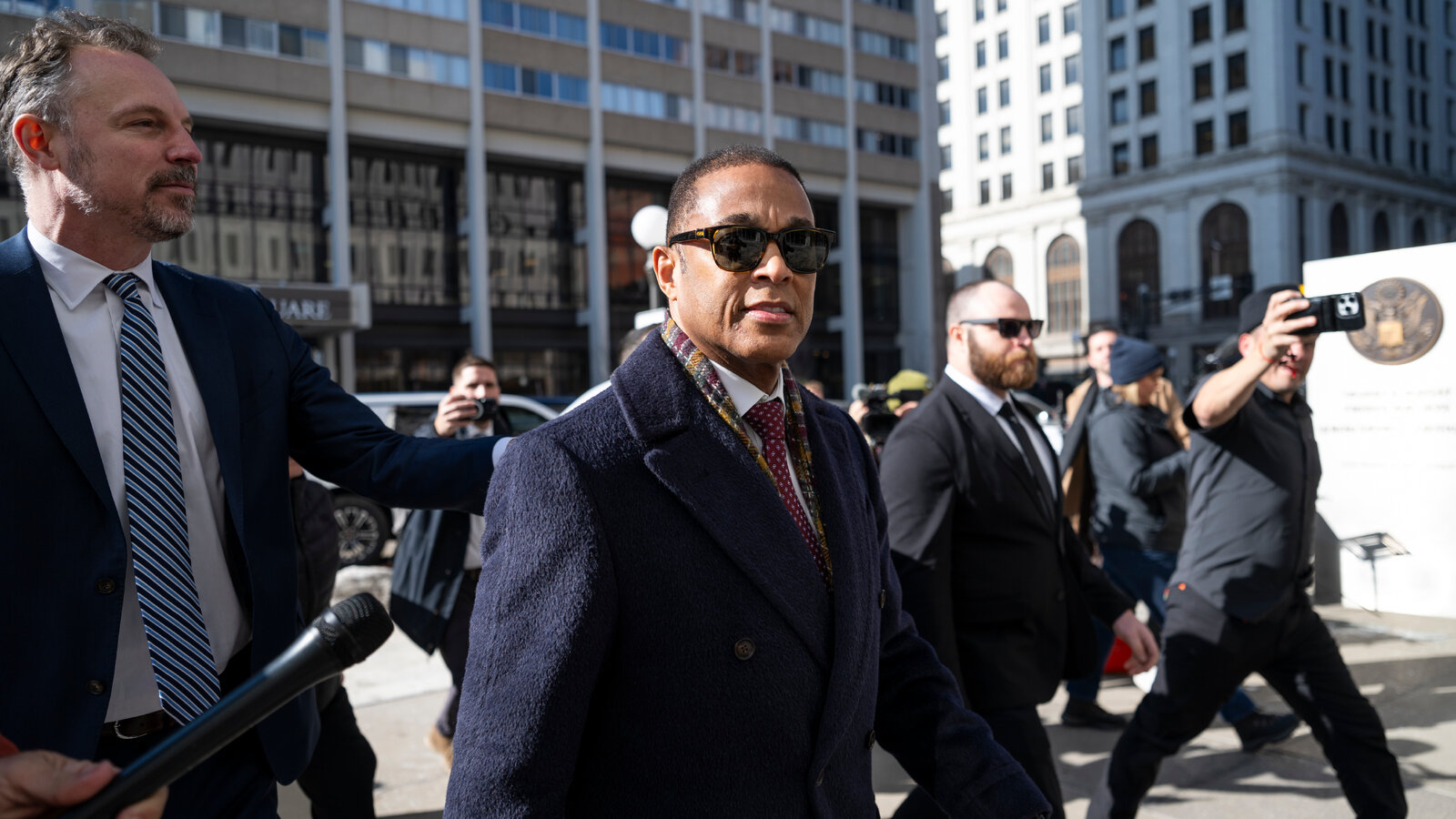
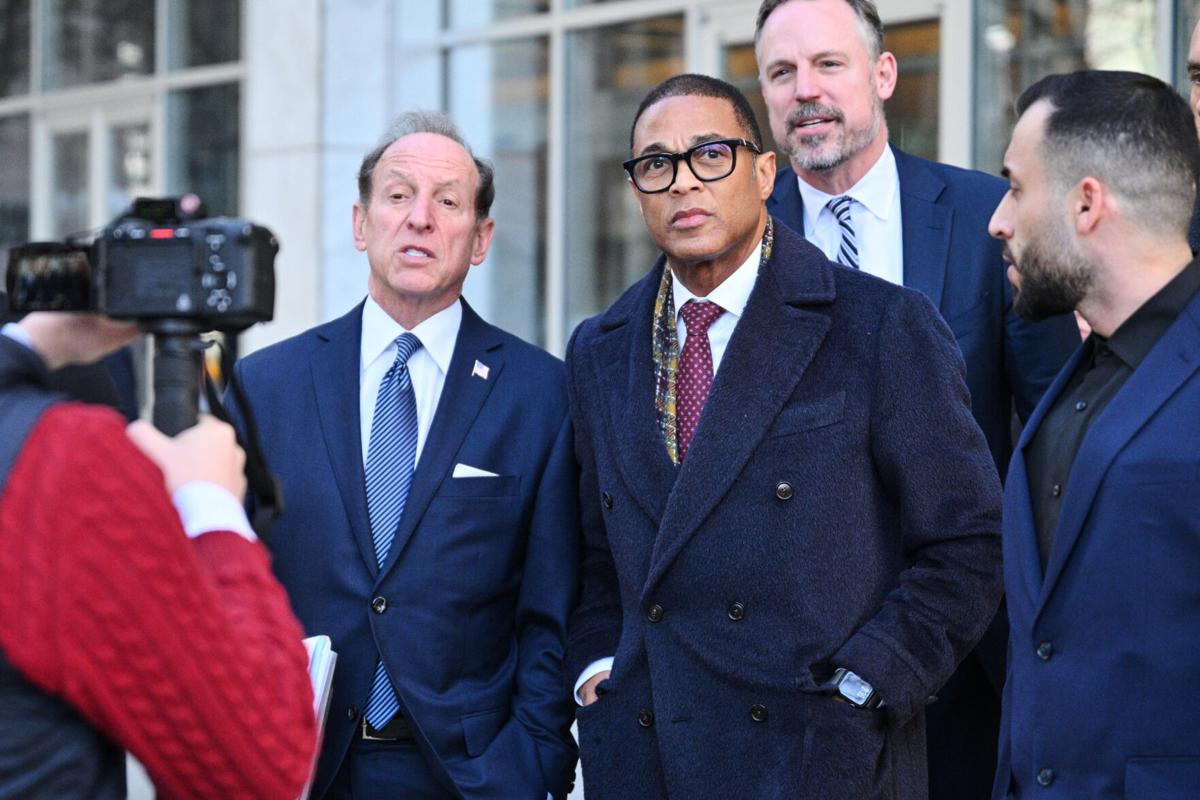
**EXCLUSIVE: Don Lemon Demands Secret Grand Jury Transcripts in Minnesota Case Amid ‘Misconduct’ Claims — As Feds Were Blocked Twice From Obtaining Search Warrants**
**Meta Description:** Don Lemon is calling for the release of secret grand jury transcripts in a Minnesota case surrounded by allegations of misconduct. This article explores the implications of these demands and the challenges faced by federal authorities in obtaining search warrants.
Don Lemon’s Call for Transparency in the Minnesota Case
In a surprising turn of events, renowned journalist Don Lemon has made headlines by demanding the release of secret grand jury transcripts related to a high-profile case in Minnesota. This demand comes amidst serious allegations of misconduct that have raised eyebrows across the nation. As the situation unfolds, it has become evident that the complexities surrounding this case are not just legal but also deeply intertwined with issues of media ethics and public trust.
Lemon’s call for transparency is not merely a personal crusade; it reflects a broader concern about the integrity of the judicial process and the role of the media in ensuring accountability. The case in question has garnered significant attention, and the implications of the grand jury’s findings could have far-reaching consequences for all parties involved.
The Allegations of Misconduct and Their Implications
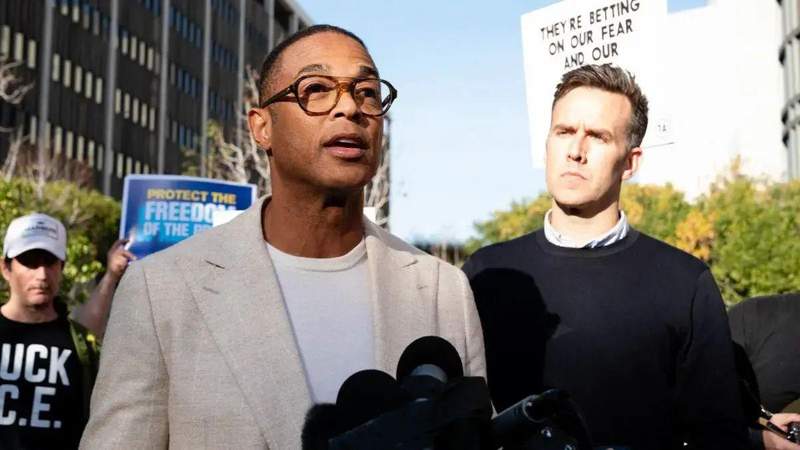
The Minnesota case at the center of this controversy involves serious allegations of misconduct that have prompted federal authorities to investigate. Reports suggest that the grand jury has been examining evidence related to potential abuses of power and procedural irregularities. As the investigation progresses, the demand for the release of transcripts has intensified, with Lemon arguing that the public has a right to know the details surrounding the case.
The implications of these allegations are profound. If proven true, they could undermine public confidence in the judicial system and raise questions about the accountability of law enforcement agencies. Moreover, the secrecy surrounding grand jury proceedings often leads to speculation and mistrust among the public, making Lemon’s demand for transparency all the more relevant.
Despite the gravity of the situation, federal authorities have faced significant hurdles in their attempts to obtain search warrants related to the case. Reports indicate that they have been blocked not once, but twice, from accessing crucial evidence that could shed light on the allegations. This raises questions about the legal barriers that exist in high-stakes investigations and the challenges faced by law enforcement in pursuing justice.
The Role of the Media in High-Profile Cases
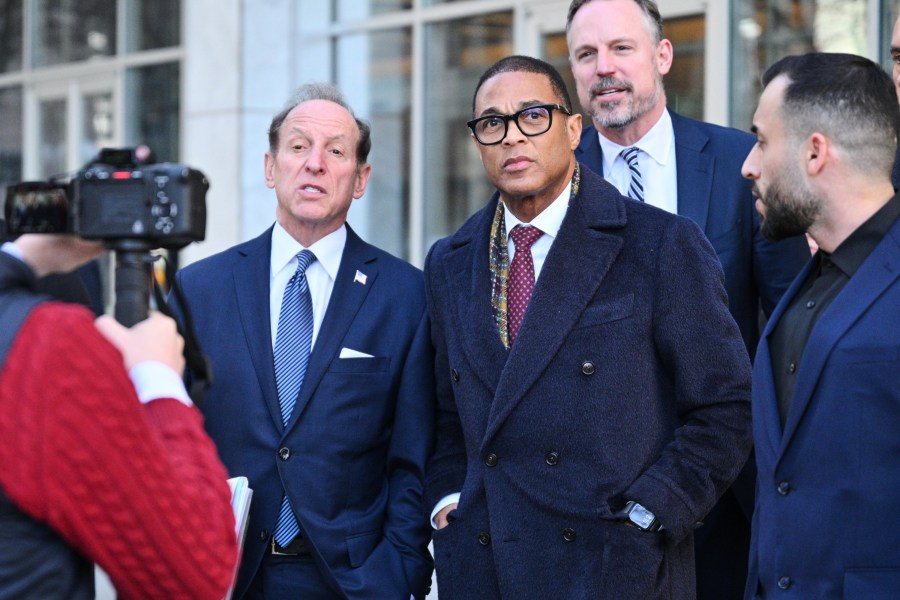
In high-profile cases like this one, the media plays a critical role in shaping public perception and holding authorities accountable. Don Lemon, as a prominent figure in journalism, understands the weight of his words and the impact they can have on public discourse. His demand for the release of grand jury transcripts is not just about transparency; it is also about ensuring that the media can fulfill its role as a watchdog in the democratic process.
The relationship between the media and the judicial system is often fraught with tension. While the media seeks to inform the public, the judicial system prioritizes the integrity of ongoing investigations. This delicate balance can lead to conflicts, especially when allegations of misconduct arise. Lemon’s advocacy for transparency highlights the need for a more open dialogue between these two essential pillars of democracy.
As the situation develops, it will be crucial for both the media and the public to remain vigilant. The outcome of this case could set important precedents for how similar cases are handled in the future, particularly regarding the accessibility of information and the accountability of those in power.
**Conclusion**
In conclusion, Don Lemon’s demand for the release of secret grand jury transcripts in the Minnesota case is a significant moment in the ongoing conversation about transparency and accountability in the judicial system. As allegations of misconduct continue to surface, the role of the media becomes increasingly vital in ensuring that the public remains informed and engaged.
The challenges faced by federal authorities in obtaining search warrants further complicate the situation, raising important questions about the legal frameworks that govern high-profile investigations. As we watch this case unfold, it is essential for all stakeholders—media, public, and authorities—to advocate for transparency and justice.
If you want to stay updated on this developing story and its implications for the judicial system, be sure to follow our coverage and join the conversation. Your voice matters in the pursuit of truth and accountability.