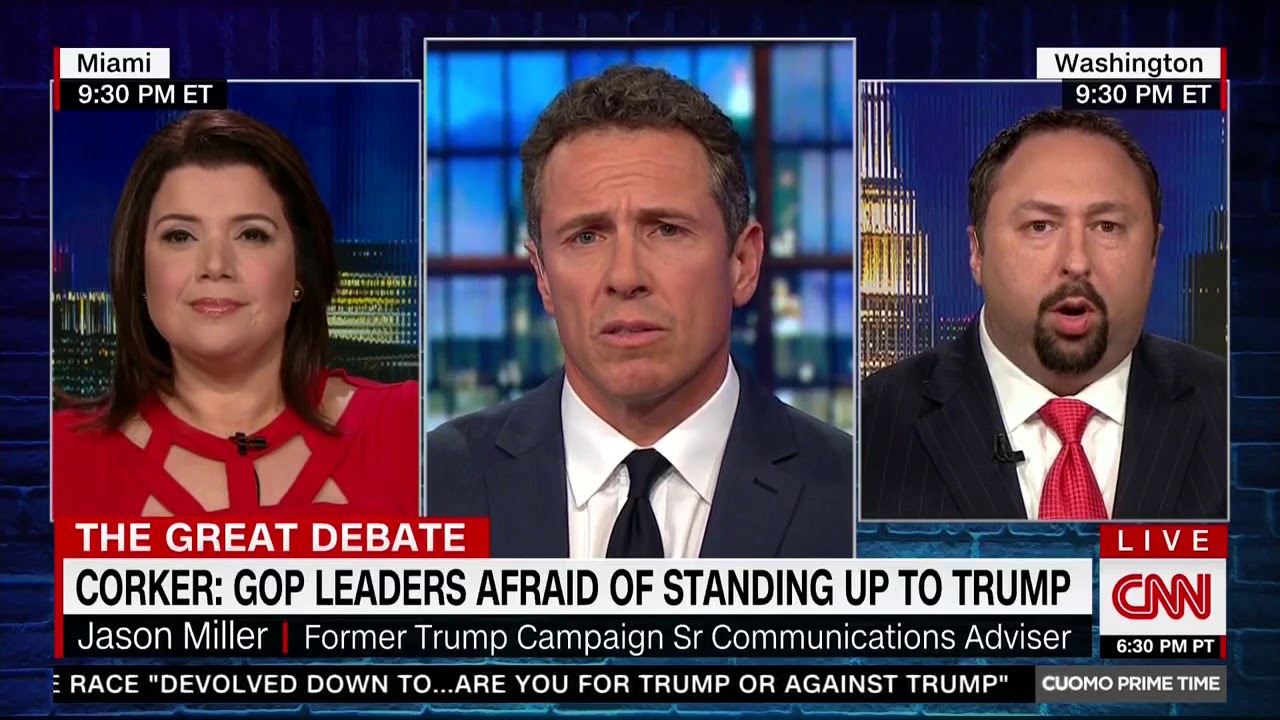
**Meta Description:** In a heated exchange, Ana Navarro and a former Trump campaign aide debate the president’s confrontational interactions with female journalists. This article explores the implications of these exchanges on media relations and gender dynamics in politics. Discover the insights from both sides of the argument and how they reflect broader societal issues.
Ana Navarro and Former Trump Campaign Aide Clash Over President’s Combative Exchanges with Female Journalists
The political landscape in the United States has always been rife with tension, especially when it comes to the relationship between politicians and the media. Recently, a notable clash occurred between political commentator Ana Navarro and a former aide to President Donald Trump. The focal point of their debate? The president’s often combative exchanges with female journalists. This article delves into the nuances of their discussion, the broader implications for media relations, and the ongoing conversation about gender dynamics in politics.
The Context of the Clash
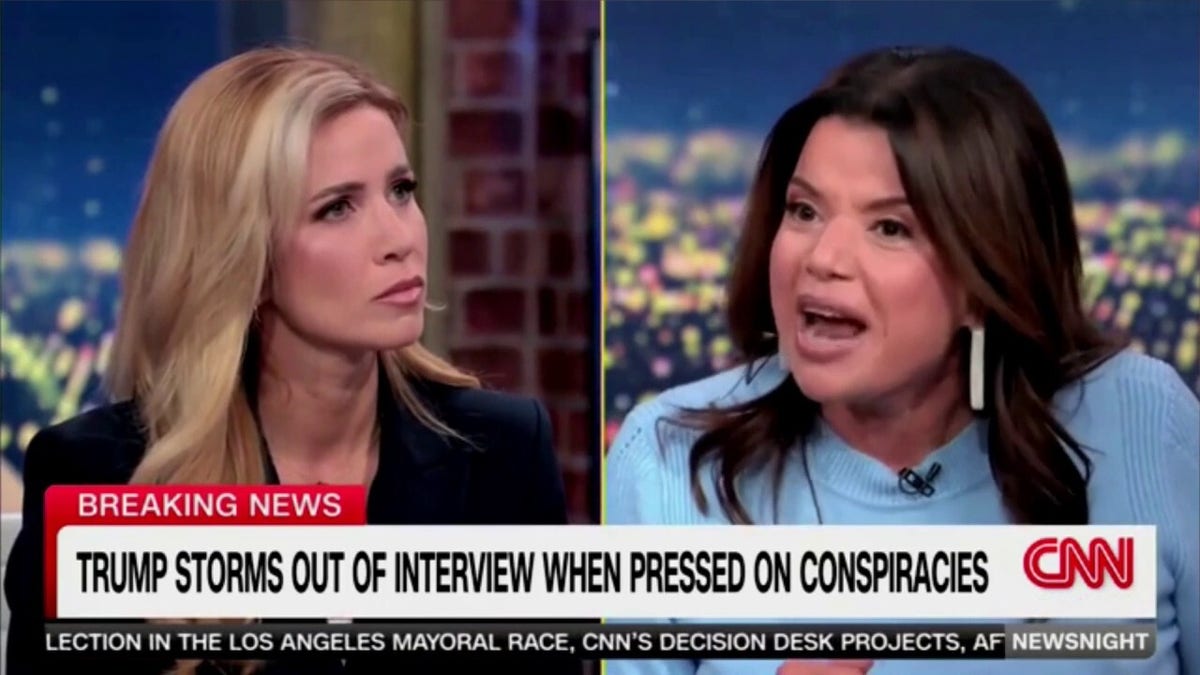
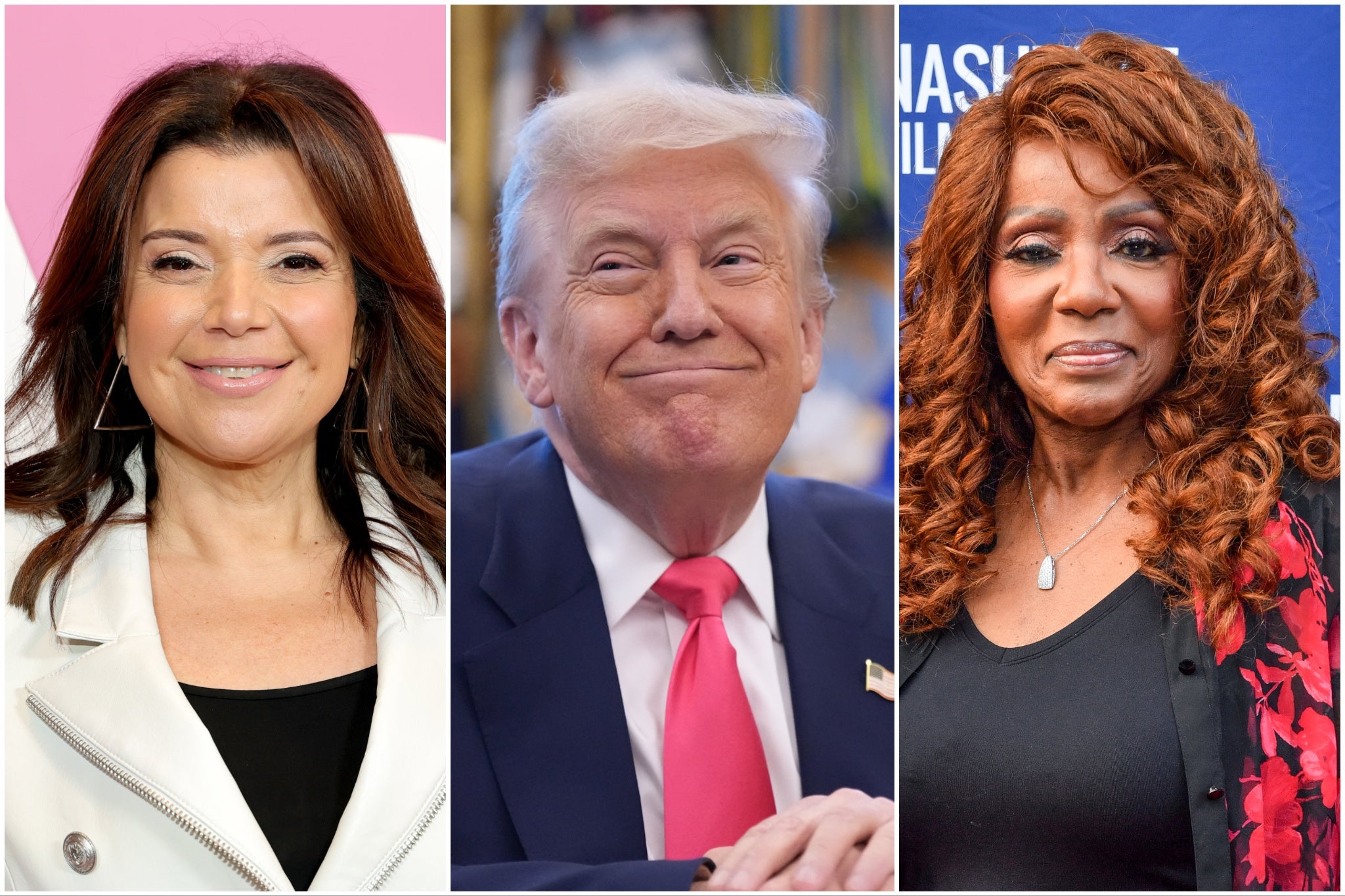
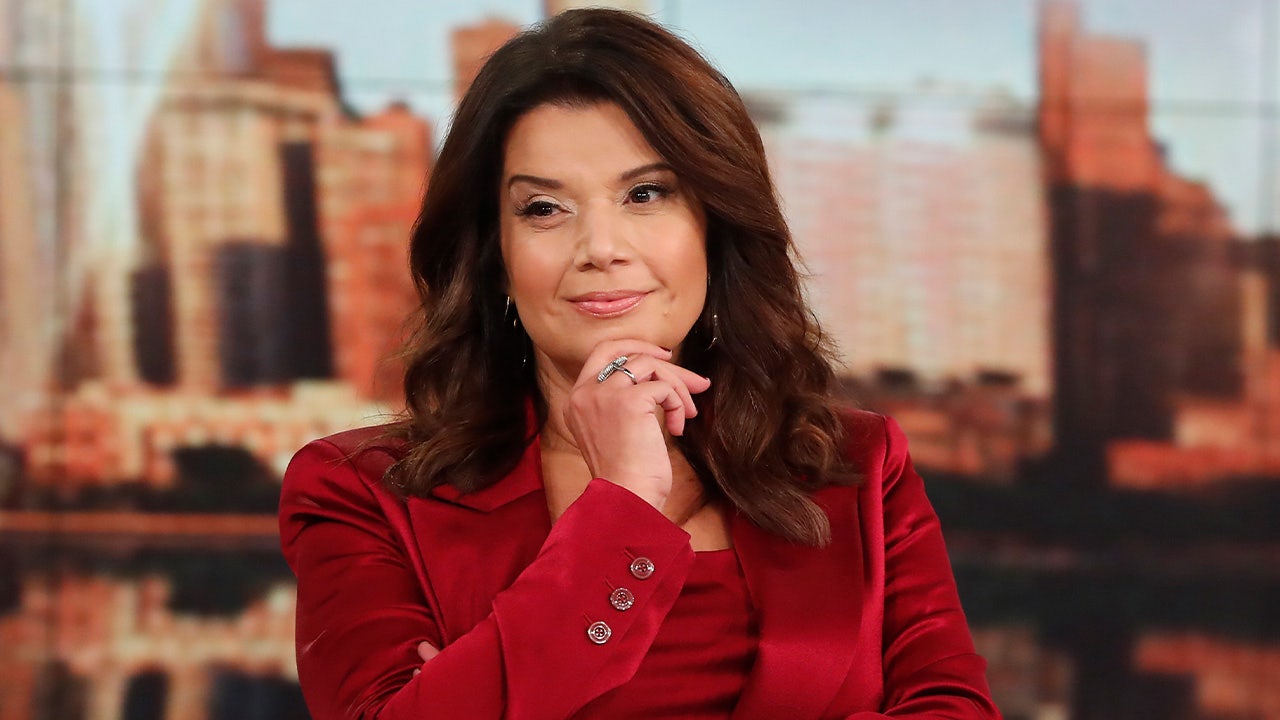
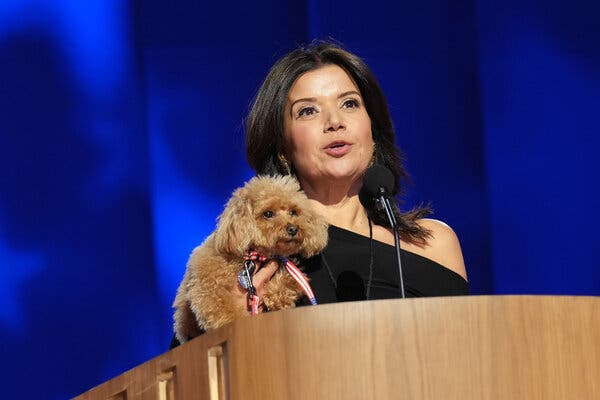
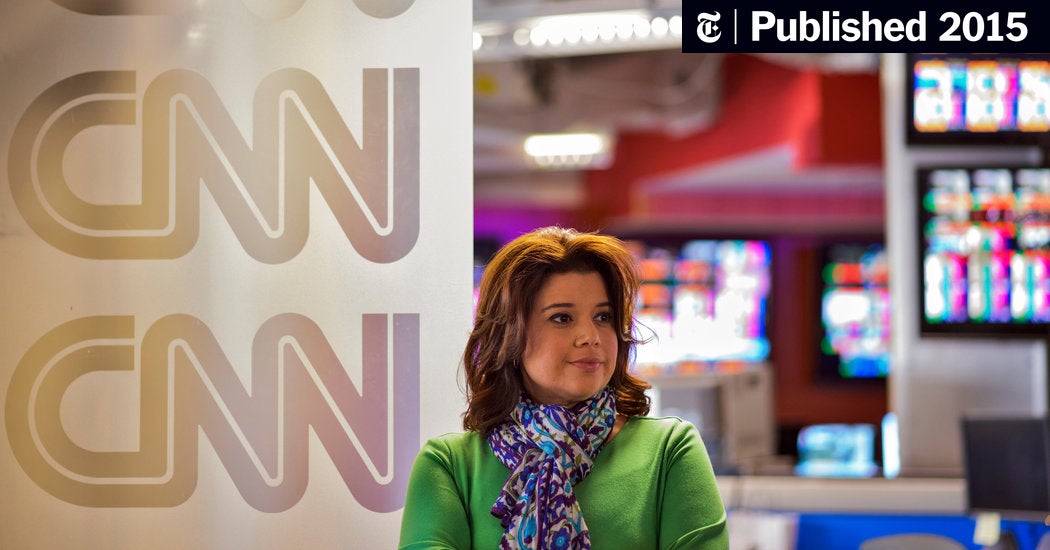
In the wake of various press conferences and media interactions, President Trump has garnered attention for his contentious exchanges with female journalists. Critics argue that his behavior is not only unprofessional but also reflects a troubling trend of disrespect towards women in positions of authority. Ana Navarro, a prominent political analyst and outspoken critic of the Trump administration, has been vocal about her concerns regarding these interactions.
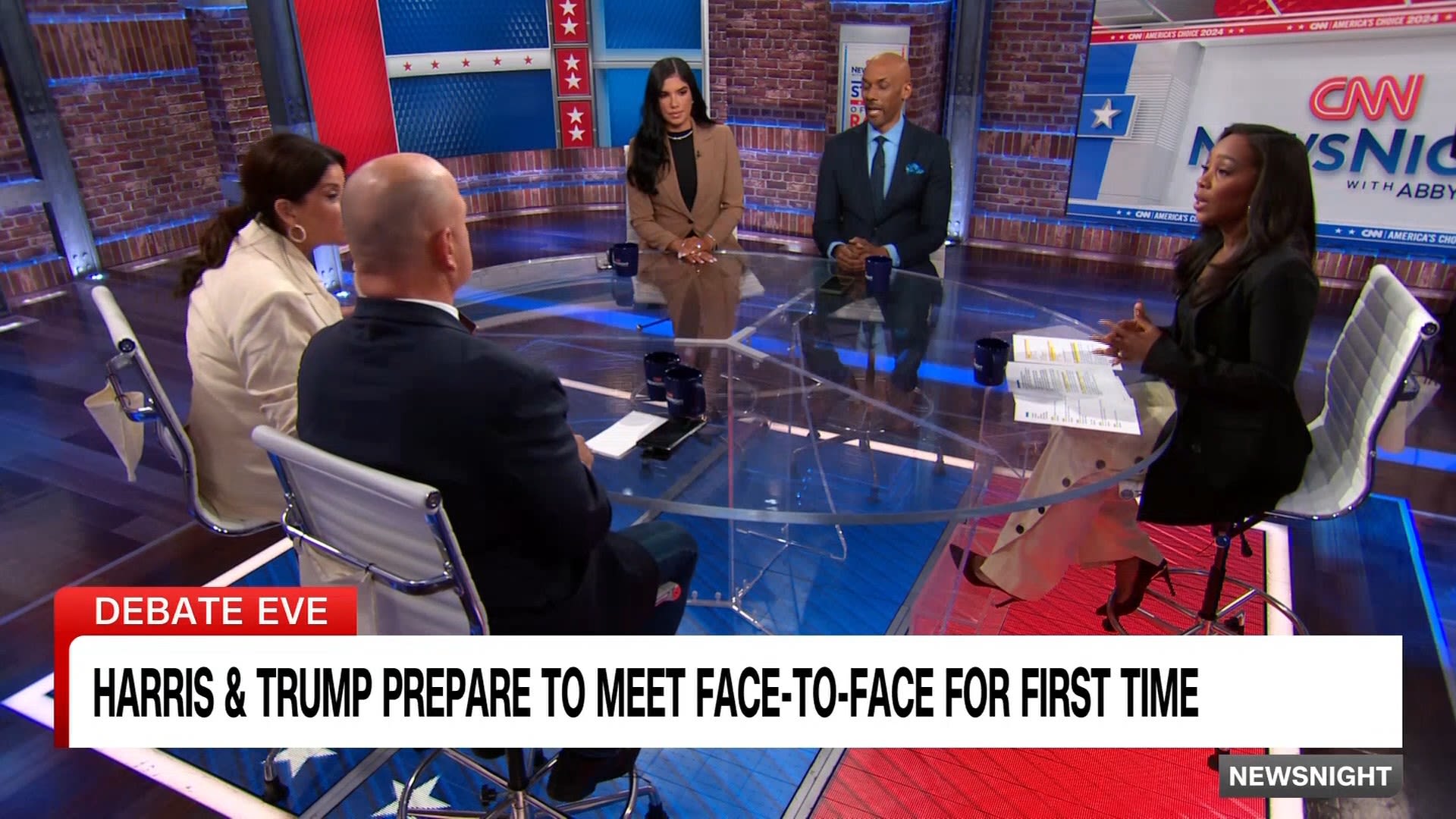
During a recent televised debate, Navarro confronted a former Trump campaign aide, who defended the president’s approach to media relations. The aide argued that Trump’s directness and willingness to challenge journalists were essential to maintaining a robust dialogue between the government and the press. This perspective, however, was met with skepticism by Navarro, who emphasized the need for respect and professionalism in political discourse, particularly towards women.
The exchange highlighted a significant divide in opinions regarding the treatment of female journalists and the expectations placed on public figures. Navarro’s stance reflects a growing concern among many advocates for gender equality, who argue that the media should be a space where all voices are respected, regardless of gender.
The Impact on Media Relations
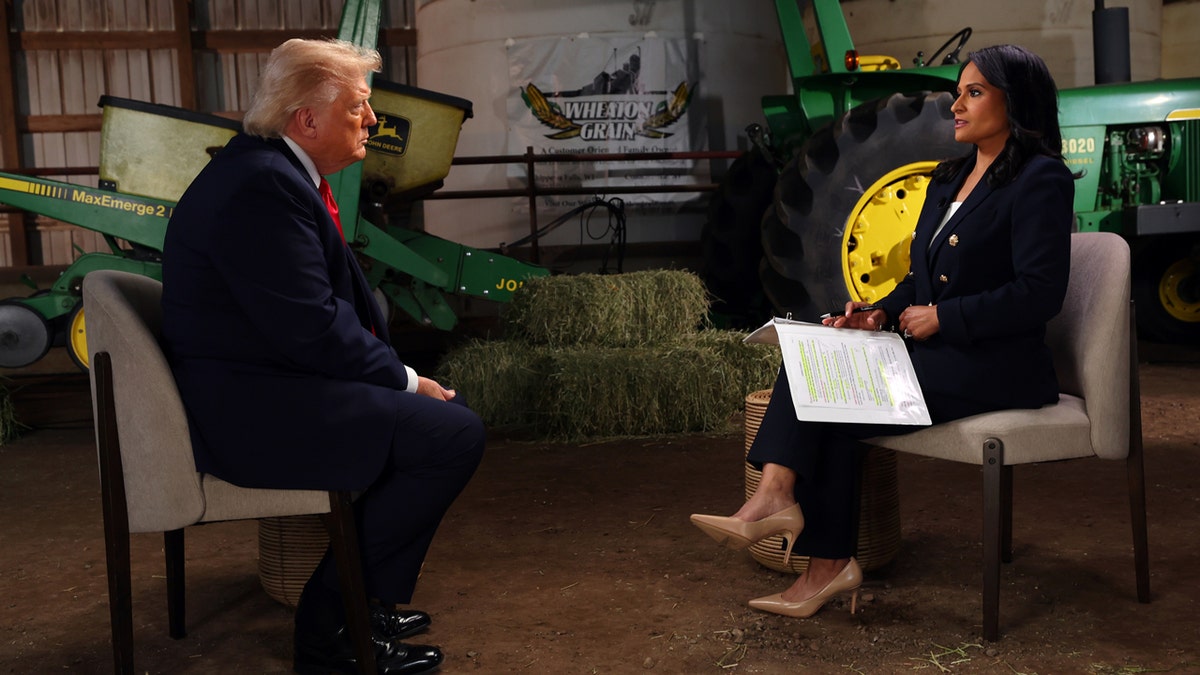
The interactions between President Trump and female journalists have raised critical questions about the state of media relations in the current political climate. The combative nature of these exchanges can lead to a chilling effect on the press, discouraging journalists from asking tough questions or pursuing critical stories. This dynamic is particularly concerning in an era where transparency and accountability are paramount.
Moreover, the portrayal of female journalists in these confrontations can perpetuate harmful stereotypes and contribute to a culture of misogyny. When public figures engage in aggressive rhetoric towards women in the media, it sends a message that such behavior is acceptable. This not only affects the individuals involved but also has broader implications for how women are perceived in professional settings.
Navarro’s argument underscores the importance of fostering a respectful environment for journalists, particularly women who often face additional scrutiny and challenges in their careers. By advocating for a more civil discourse, she aims to promote a healthier relationship between the media and political figures, which is essential for a functioning democracy.
Gender Dynamics in Political Discourse
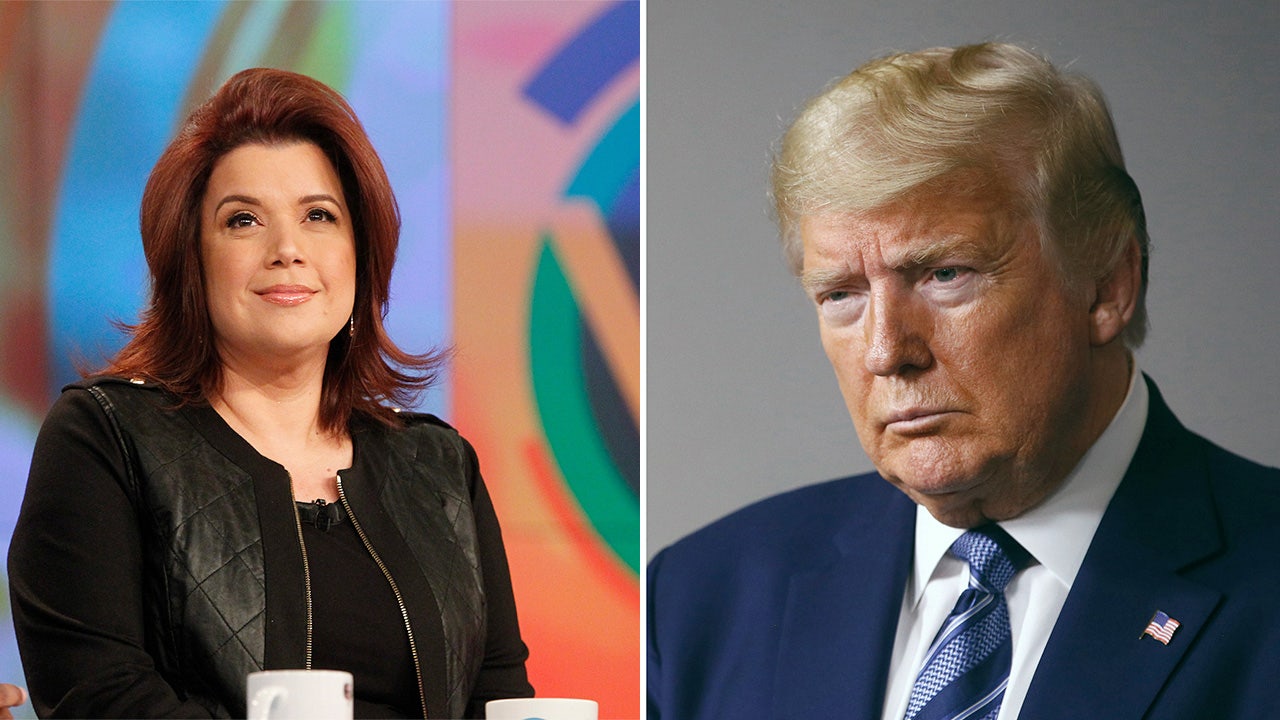
The clash between Navarro and the former Trump aide also brings to light the broader issue of gender dynamics in political discourse. Women in politics and journalism often navigate a landscape that is fraught with challenges, including bias and discrimination. The way female journalists are treated by powerful figures can have lasting effects on their careers and the representation of women in the media.
Research has shown that female journalists frequently face harassment and are often judged more harshly than their male counterparts. This reality makes it crucial for public figures, including politicians, to set a positive example by treating all journalists with respect. The debate between Navarro and the Trump aide serves as a reminder that the treatment of women in the media is not just a personal issue but a societal one that requires collective action.
As the conversation around gender and media continues to evolve, it is essential to recognize the role that public figures play in shaping perceptions and attitudes. By fostering a culture of respect and professionalism, politicians can contribute to a more equitable media landscape, where all voices are valued.
Conclusion
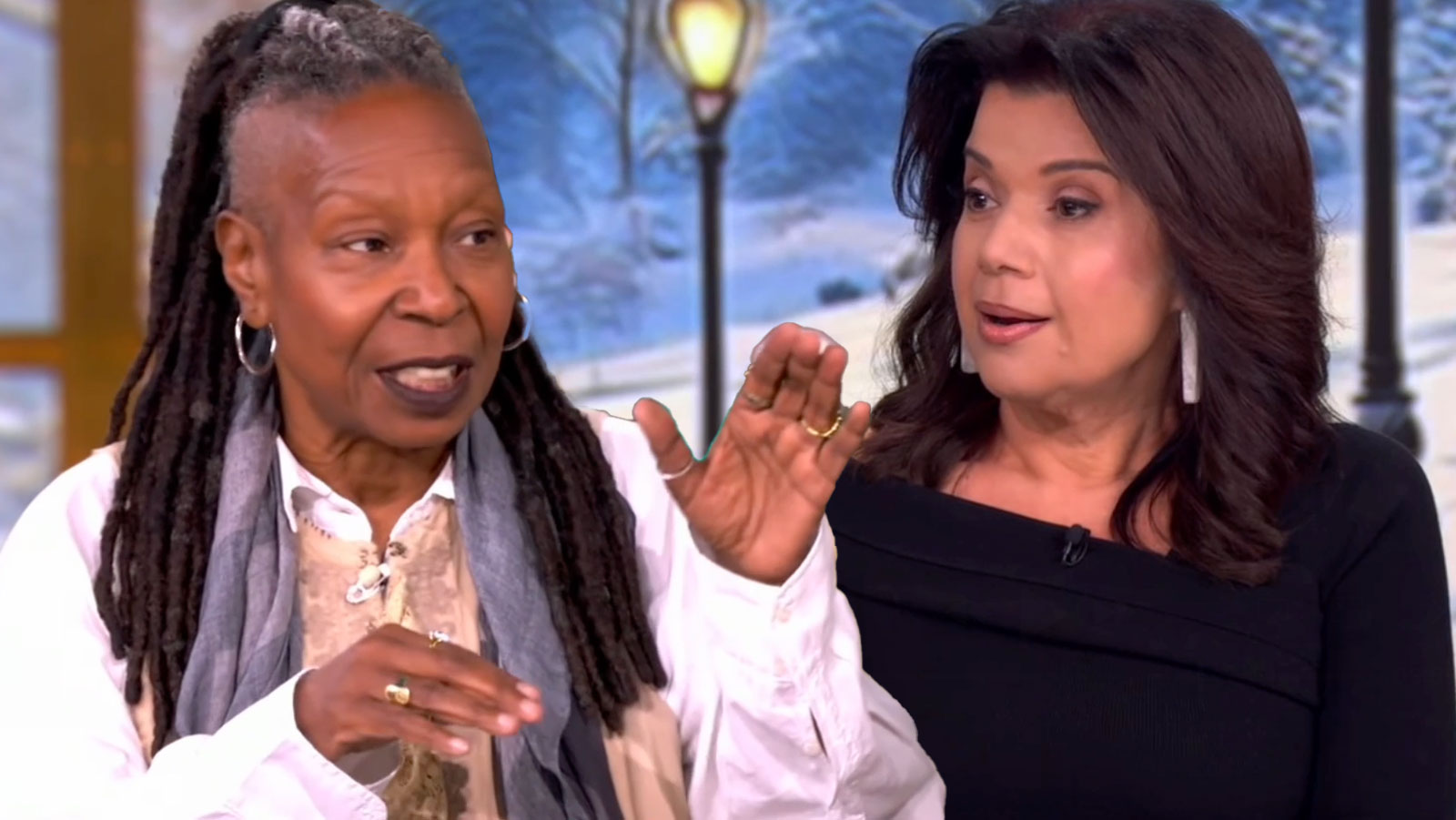
The clash between Ana Navarro and the former Trump campaign aide over President Trump’s exchanges with female journalists highlights the ongoing struggle for respect and equality in political discourse. As the media landscape continues to evolve, it is crucial for all public figures to recognize the impact of their words and actions on journalists, particularly women. By advocating for a more respectful and professional approach to media relations, we can work towards a future where all voices are heard and valued.
If you believe in the importance of respectful dialogue in politics, consider sharing this article and joining the conversation on social media. Together, we can promote a more equitable and just media environment for everyone.

:max_bytes(150000):strip_icc()/Ana-Navarro-and-Harrison-Fields-on-CNN911-120425-327fdb6caf154a33959c5cb12f7664ee.jpg)
:max_bytes(150000):strip_icc()/ana-navarro-082124-475a6579338b4a4baf25fde712e64cb8.jpg)