Donald Trump Laughs When NBC Questions Him About Past Statements Related to War: “What Upsets Them Most Isn’t My Answer—It’s That I Refuse to Follow Their Script”
In a recent interview with NBC, former President Donald Trump showcased his characteristic bravado and humor when questioned about his past statements regarding war. The interview, which has since gone viral, highlights Trump’s unique approach to media interactions and his steadfast refusal to adhere to the conventional narratives often pushed by mainstream media outlets. This article delves into the key moments of the interview, Trump’s perspective on war, and the implications of his statements for both his supporters and critics.
Trump’s Unfiltered Responses: A Reflection of His Political Persona
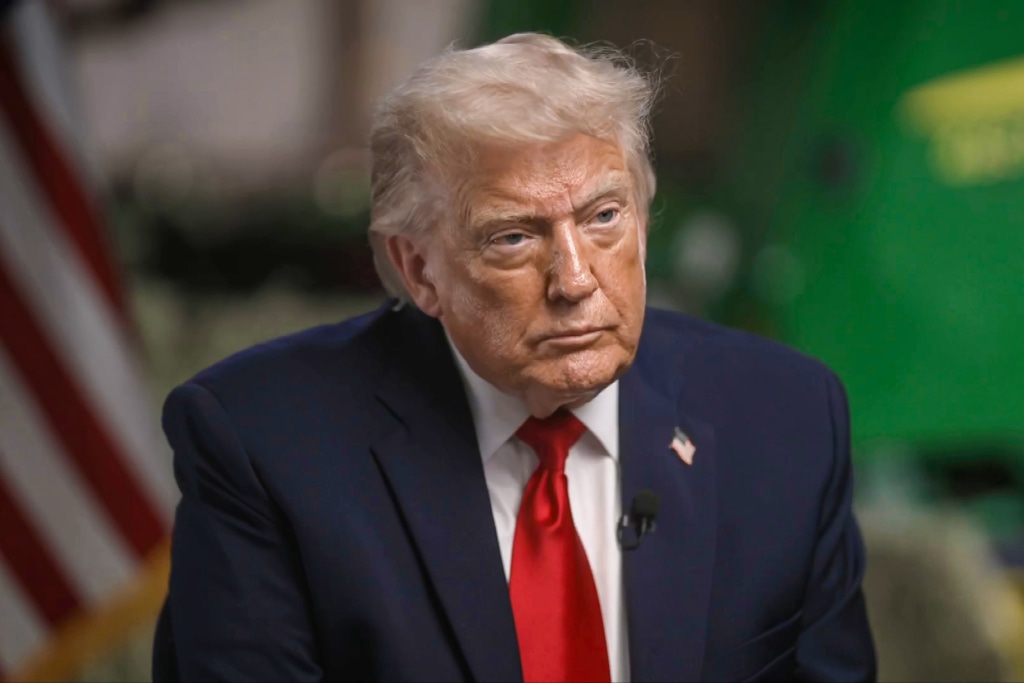
During the NBC interview, Trump was confronted with questions about his previous comments on military engagements and foreign policy. Instead of providing a straightforward answer, he responded with laughter, indicating that he was unfazed by the line of questioning. “What upsets them most isn’t my answer—it’s that I refuse to follow their script,” Trump declared, underscoring his belief that the media often seeks to manipulate narratives to fit their agendas.
This moment encapsulates Trump’s broader political strategy: to position himself as an outsider who challenges the status quo. His refusal to conform to media expectations resonates with many of his supporters, who appreciate his candidness and perceived authenticity. For Trump, the interview was not just about discussing war; it was an opportunity to reinforce his image as a leader who prioritizes his own views over those dictated by the media.
The Media’s Role in Shaping Public Perception of War
Trump’s comments also raise important questions about the role of the media in shaping public perception of military conflicts. Historically, media narratives have played a significant role in influencing public opinion on wars, often framing conflicts in ways that align with specific political agendas. Trump’s laughter in response to NBC’s questioning highlights his belief that the media’s portrayal of war is often skewed and fails to capture the complexities of international relations.
Moreover, Trump’s assertion that he refuses to “follow their script” suggests a broader critique of how politicians are expected to communicate about sensitive topics like war. In an era where soundbites and headlines often dominate the news cycle, Trump’s approach challenges the conventional wisdom that politicians must adhere to established narratives to gain public approval. Instead, he advocates for a more direct and unfiltered dialogue about military engagements, which he believes is essential for fostering a better understanding of the issues at hand.
As the interview continued, Trump elaborated on his views regarding specific military actions and foreign policy decisions made during his presidency. He expressed a strong belief in prioritizing American interests and questioned the effectiveness of prolonged military engagements abroad. This perspective resonates with a significant portion of the electorate who are weary of endless wars and seek a more pragmatic approach to foreign policy.
The Implications of Trump’s Statements for Future Political Discourse

The fallout from Trump’s interview with NBC is likely to reverberate through the political landscape as the 2024 election approaches. His unapologetic stance on war and foreign policy could galvanize his base while simultaneously alienating more traditional Republican voters who may favor a more conventional approach to international relations.
Furthermore, Trump’s ability to engage with the media on his own terms may inspire other politicians to adopt similar strategies. As the political climate continues to evolve, the demand for authenticity and directness in communication is likely to grow. Voters are increasingly seeking leaders who are willing to speak candidly about complex issues, rather than adhering to scripted responses that may lack substance.
In addition, Trump’s remarks could prompt a reevaluation of how media outlets approach interviews with political figures. As journalists strive to hold leaders accountable, they may need to adapt their questioning techniques to account for the changing dynamics of political discourse. This shift could lead to more engaging and informative interviews that provide deeper insights into candidates’ positions on critical issues like war and foreign policy.
Conclusion
In conclusion, Donald Trump’s recent interview with NBC serves as a compelling reminder of his unique approach to media interactions and political discourse. His laughter in the face of challenging questions about war reflects his refusal to conform to established narratives, a stance that resonates with many of his supporters. As we move closer to the 2024 election, the implications of Trump’s statements will undoubtedly shape the political landscape and influence how future candidates engage with the media.
For those interested in exploring more about Trump’s perspectives on war and his impact on American politics, stay tuned for further analysis and insights. Join the conversation and share your thoughts on how political discourse is evolving in today’s media landscape!