EXCLUSIVE: Adam Driver ‘Fuming’ Over Lena Dunham’s Brutal ‘Abuse’ Accusations Against Him — ‘She’s Jealous He’s Now a Leading Man’
Adam Driver Reacts to Lena Dunham’s Abuse Allegations: A Closer Look at the Controversy
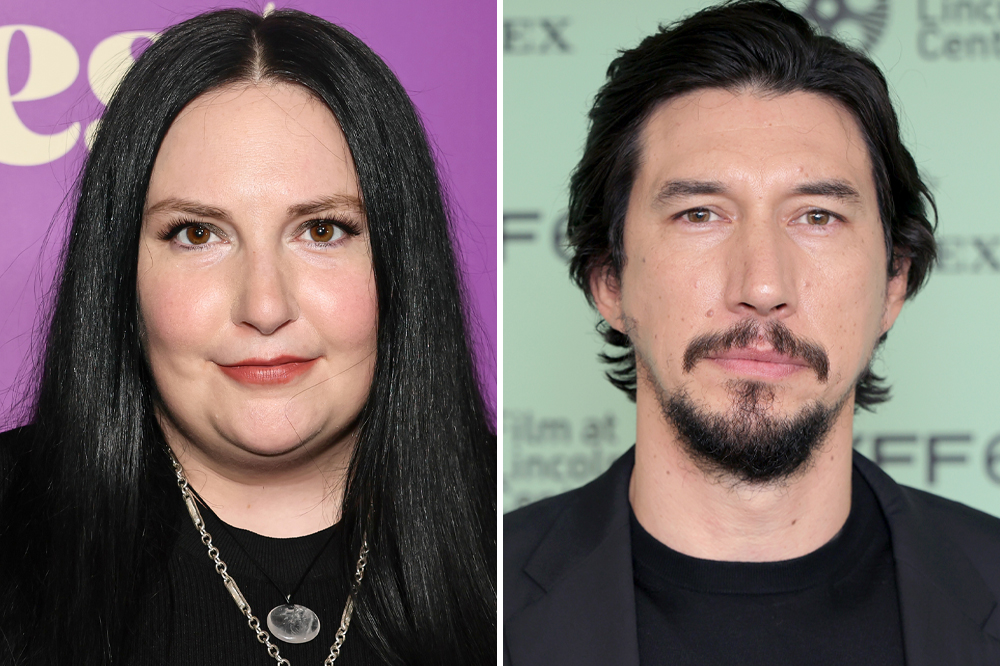
Adam Driver is said to be deeply upset following the recent allegations made by Lena Dunham in her memoir *Famesick*, where she accuses him of aggressive and volatile behavior during the filming of the HBO series *Girls*. The accusations have reportedly left Driver “fuming” and feeling blindsided, according to insiders close to the actor.
The controversy centers on Dunham’s depiction of their working relationship during the show’s six-season run from 2012 to 2017. Dunham, who was 25 when *Girls* first aired, alleges that Driver, then 28, exhibited moments of aggression on set, including throwing a chair and punching a wall. She also describes a near-intimate off-screen connection that blurred professional boundaries, especially during times when Driver’s wife, Joanne Tucker, was away.
Details from Dunham’s Memoir: Volatile On-Set Behavior and Boundary Issues
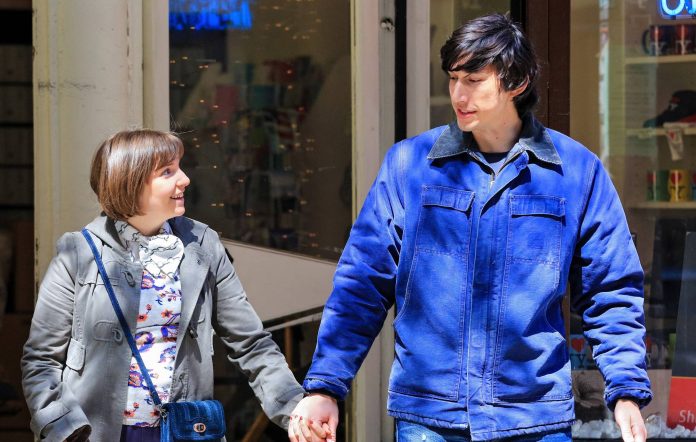
In *Famesick*, Lena Dunham revisits her time working with Adam Driver, painting a picture of a complex and sometimes difficult dynamic. She recalls how Driver’s behavior could be “spectacularly rude” and recounts a particular scene where the usual careful blocking was abandoned, resulting in Driver physically directing her in a way that left her stunned and unsure of her authority.
Dunham also shares moments of tension, including late-night visits from Driver when Tucker was out of town. She quotes him saying, “You still home alone, Dunham. Okay. I’m riding down to you. But I’m warning you, if I come up, I’m not leaving this time.” Dunham admits she chose not to answer the door, sensing that crossing that boundary would have led to humiliation in their professional environment.
Despite these difficult moments, Dunham clarifies that she did not feel violated, though she acknowledges the confusing and primal nature of what transpired. She emphasizes that her memoir aims to honestly explore the complexities of early creative leadership and the impact of working closely with a powerful and charismatic figure like Driver.
Adam Driver’s Camp Responds: Claims of Unfair Characterizations and Jealousy
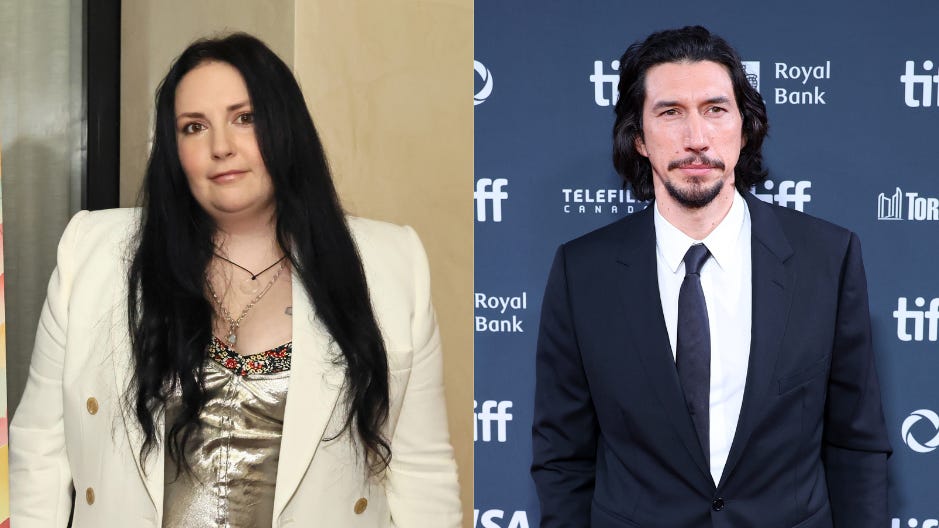
Sources close to Adam Driver have strongly rejected the portrayal of events in Dunham’s memoir. They describe the accusations as “deeply unfair characterizations” that have left Driver frustrated, especially given the significant time elapsed since the events occurred.
An insider told RadarOnline.com that Driver views the claims as less of a genuine reflection and more of a damaging reframing intended to paint him as an abusive figure. The source added that those around Driver believe Dunham’s narrative is influenced by frustration over the divergent paths their careers have taken—Driver becoming a leading man in Hollywood, while Dunham has moved into different creative ventures.
The On-Set Environment of *Girls*: Chaotic but Creatively Charged
Another perspective comes from a source familiar with the production of *Girls*, who describes the atmosphere on set as “chaotic but creatively charged.” They explain that the show’s early days involved constant negotiation of boundaries, authority, and performance, which, while not excusing difficult behavior, provides important context for understanding the tensions described.
This source highlights that the formative nature of the project meant that all involved were navigating new territory, which sometimes led to clashes and misunderstandings. The creative intensity of the environment contributed to both the show’s success and the interpersonal challenges faced by the cast and crew.
Conclusion: Understanding the Complexities Behind the Allegations
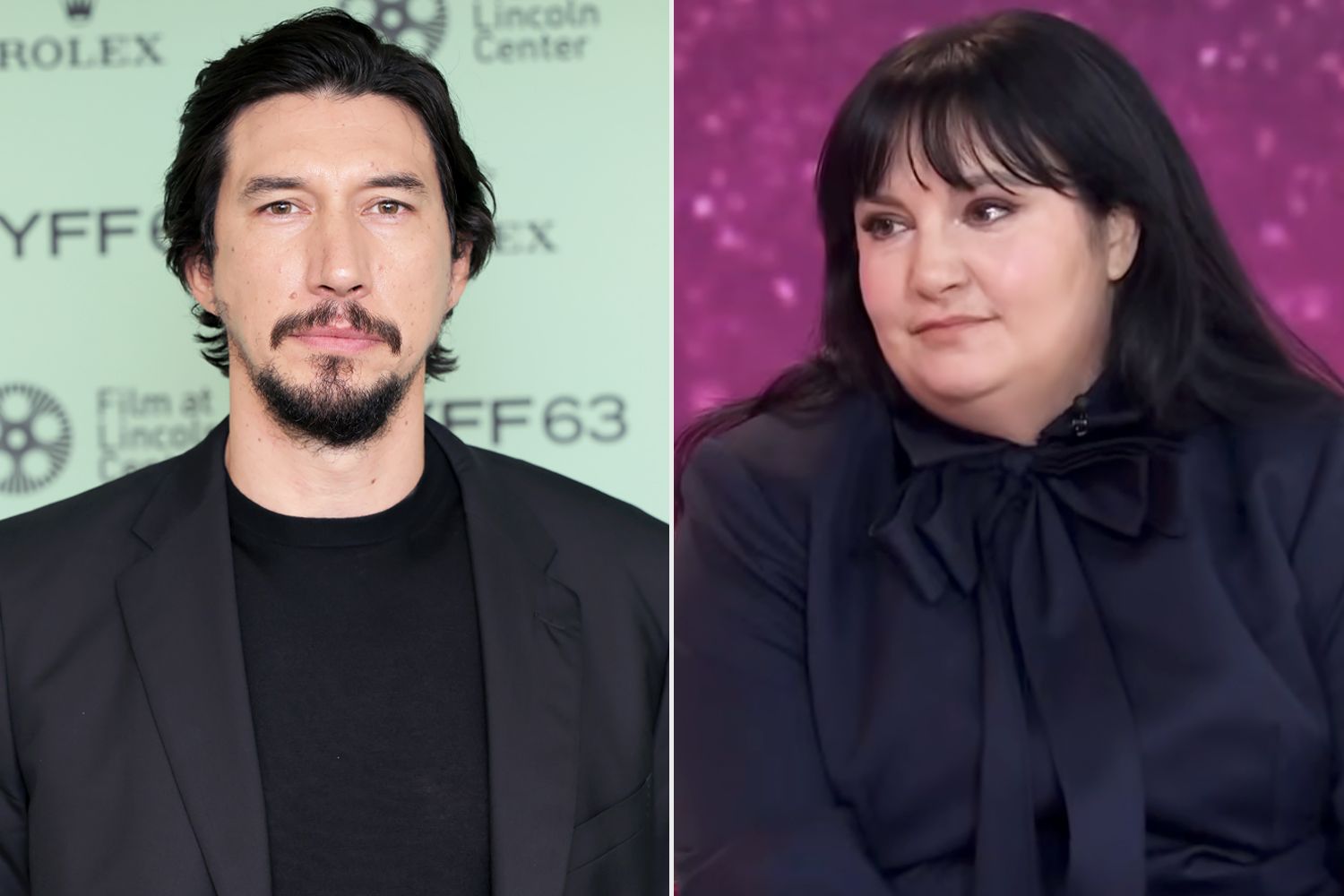
The dispute between Adam Driver and Lena Dunham over the abuse accusations reveals a complicated intersection of personal dynamics, professional boundaries, and evolving careers. While Dunham’s memoir sheds light on her experiences and struggles during the making of *Girls*, Driver’s camp firmly denies the allegations, framing them as unfair and motivated by jealousy.
As this story continues to unfold, it serves as a reminder of the challenges faced in creative collaborations and the importance of clear communication and respect on set. For fans and followers of both artists, the controversy underscores how public narratives can shape reputations and influence perceptions.
If you want to stay updated on this developing story and other entertainment news, be sure to subscribe to our newsletter and follow us on social media for the latest exclusive insights.
