EXCLUSIVE: Why Andrew Windsor is Set to Cling to His Position as Eighth in Line to the Throne ‘For at Least Another Year’
Understanding Andrew Windsor’s Position as Eighth in Line to the Throne
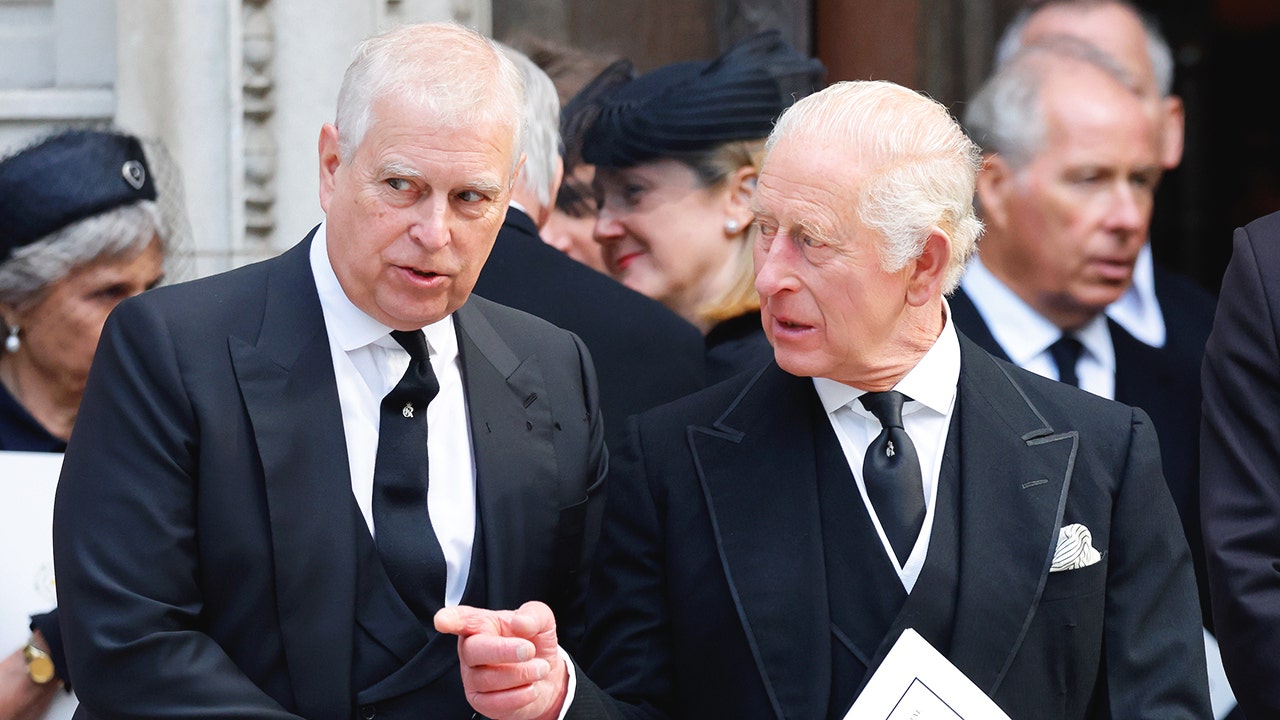
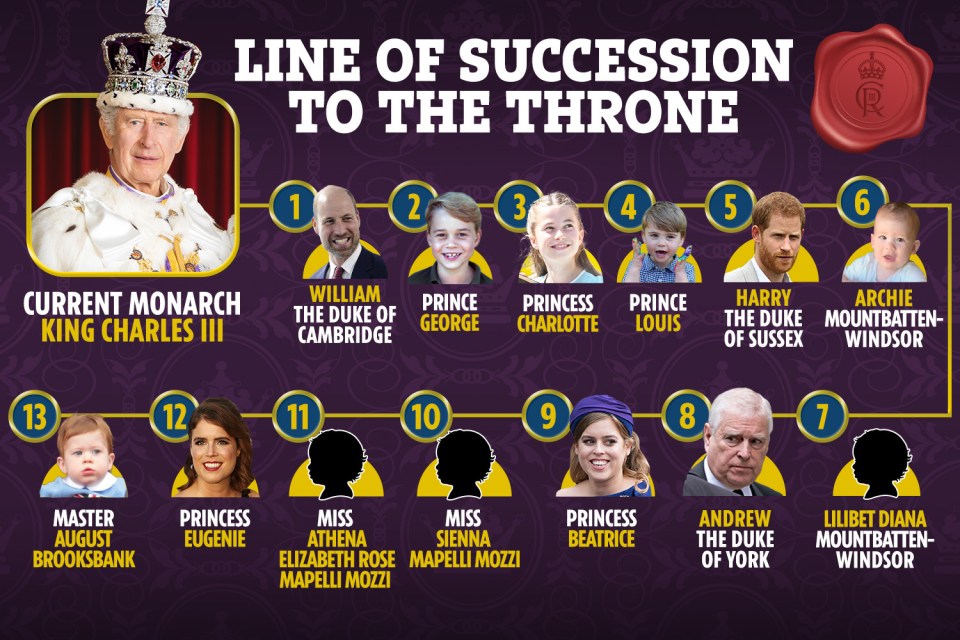
Andrew Windsor, the Duke of York, currently holds the position of eighth in line to the British throne. Despite various controversies and public scrutiny, experts suggest he is likely to retain this ranking for at least another year. This article delves into the reasons behind this stability, the rules governing royal succession, and the potential changes that could affect his standing in the near future.
The British line of succession is a complex system governed by both tradition and legislation, including the Succession to the Crown Act 2013. This act modernized the rules by ending male-preference primogeniture, allowing the eldest child, regardless of gender, to inherit the throne. However, the order remains largely influenced by births, deaths, and marriages within the royal family.
Andrew Windsor’s position is primarily determined by his proximity to the reigning monarch, King Charles III. As the second son of Queen Elizabeth II, Andrew follows his older brother Prince Charles (now King Charles III), and Charles’s descendants in the line of succession. Currently, the line includes Charles’s sons, Prince William and Prince Harry, and their children, placing Andrew further down the list.
Factors Contributing to Andrew Windsor’s Continued Ranking
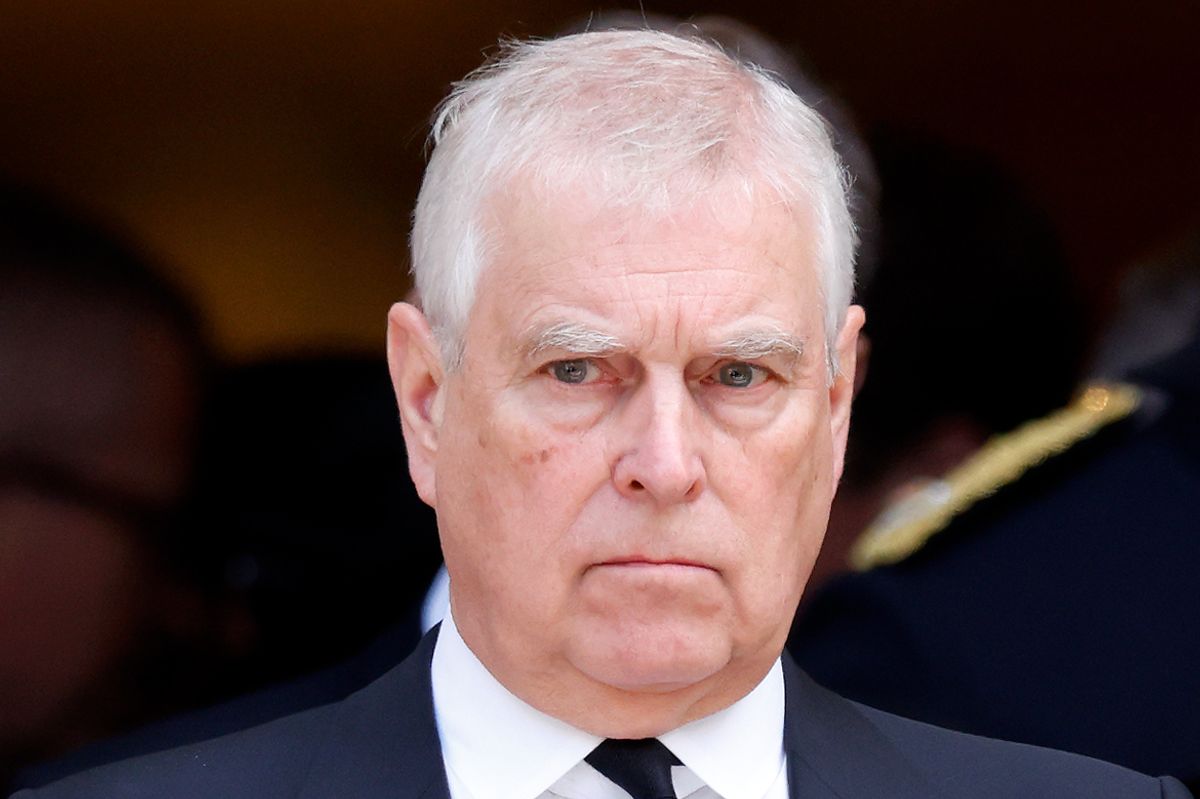
Several factors contribute to Andrew Windsor’s continued presence as eighth in line to the throne. First, the lack of new births within the senior branches of the royal family means no immediate changes push him further down the order. While Prince William and Prince Harry have children, their numbers are stable, and no additional heirs have been born to alter the succession sequence significantly.
Second, Andrew’s own children, Princess Beatrice and Princess Eugenie, do not affect his position directly. Although they are in the line of succession, their placement comes after Andrew himself, meaning his rank remains unchanged unless there are shifts in the generations ahead.
Third, the royal family’s adherence to established succession laws and protocols ensures that changes in the line of succession occur gradually. Unlike political appointments or titles that can be revoked or reassigned, the line to the throne is fixed by birthright and legal statutes, making sudden changes rare.
Additionally, Andrew Windsor’s decision to step back from public royal duties has not impacted his succession status. While his public role has diminished, his hereditary position remains intact unless he chooses to formally renounce his rights or is legally removed, neither of which has occurred.
What Could Change Andrew Windsor’s Position in the Future?
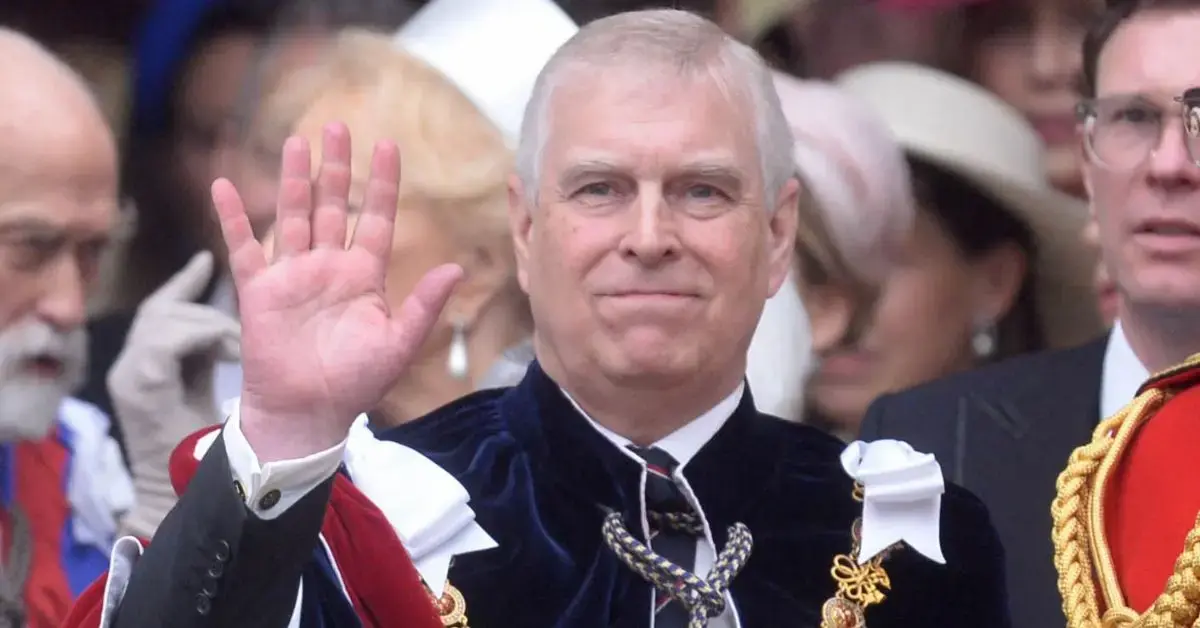
Although Andrew Windsor is expected to maintain his position for the foreseeable future, certain events could alter the line of succession. The most likely scenario involves new births within the senior branches of the royal family. For example, if Prince William or Prince Harry were to have additional children, Andrew’s position would shift further down the list.
Another potential factor is the introduction of new legislation affecting succession rules. While no such changes are currently proposed, future parliamentary decisions could impact the order, especially if the monarchy seeks to modernize or adapt to evolving societal norms.
In rare cases, abdication or renunciation by members ahead of Andrew in the line could also affect his ranking. However, these events are uncommon and would require formal declarations.
Finally, unforeseen circumstances such as deaths within the royal family could lead to adjustments in the succession order. Such changes, while sensitive, are part of the natural progression of hereditary titles.
Conclusion
Andrew Windsor’s position as eighth in line to the British throne is set to remain stable for at least another year, supported by the current structure of royal succession and the absence of immediate changes within the family. Understanding the factors that influence this ranking provides insight into the workings of the British monarchy and the delicate balance of tradition and modernity that governs it.
If you want to stay updated on the latest royal family news and succession developments, be sure to follow our coverage for exclusive insights and expert analysis.