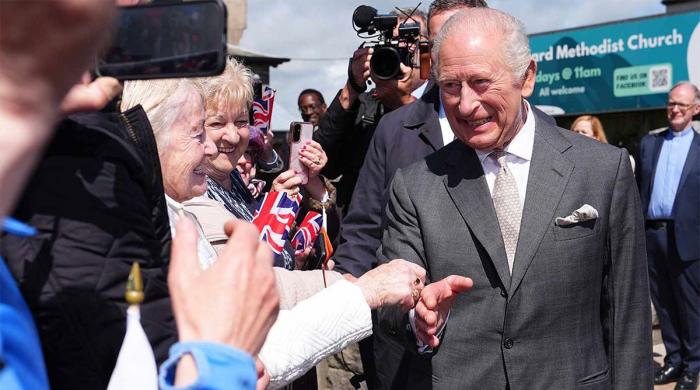
EXCLUSIVE: King Charles’ Biggest Property Regret Revealed — And Why It’s Linked to His Prince of Wales Title
King Charles III, the reigning monarch of the United Kingdom, has always been a figure of intrigue and admiration. However, even a king has regrets, and one of his most significant revolves around property. This article delves into King Charles’ biggest property regret and its surprising connection to his title as Prince of Wales.
The Weight of Royal Titles and Their Properties
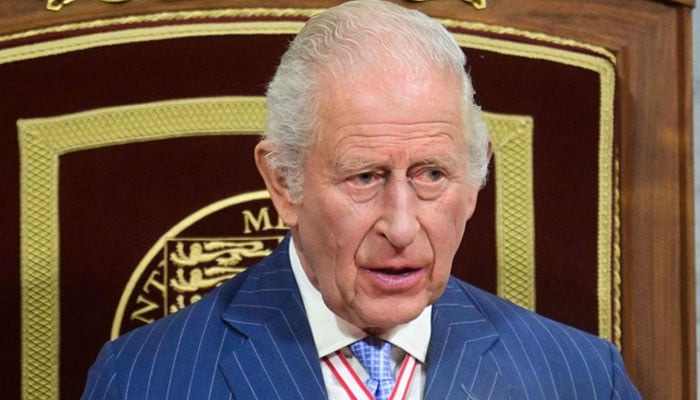
The title of Prince of Wales carries immense historical significance, dating back to the 13th century when it was first bestowed upon Edward I’s son. This title not only symbolizes the heir apparent to the British throne but also encompasses a vast array of properties and lands associated with the royal family. For King Charles, inheriting this title came with the responsibility of managing these estates, which are steeped in tradition and history.
As the Prince of Wales, Charles had access to several properties, including the stunning Caernarfon Castle in Wales, which has been a symbol of Welsh pride and identity for centuries. However, with great power comes great responsibility, and managing these properties has not been without its challenges.
King Charles’ Regret: The Loss of a Historic Estate
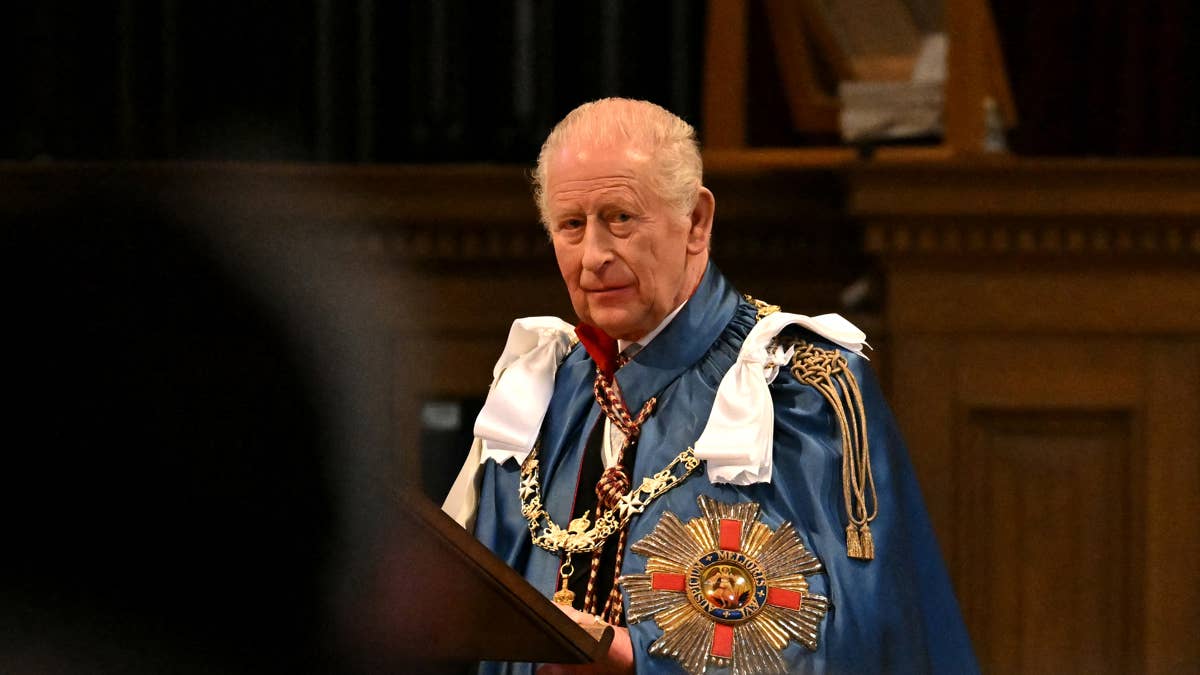
One of King Charles’ most significant regrets is the loss of a historic estate that was once part of the royal portfolio. This estate, known for its breathtaking landscapes and rich history, was sold off during the reign of his mother, Queen Elizabeth II. The decision to part ways with this estate was made in the context of financial pressures and the need to modernize the royal finances. However, Charles has expressed that he wishes the estate had remained within the royal family.
The property in question is not just a piece of land; it represents a connection to the past and a legacy that could have been preserved for future generations. For Charles, the regret stems from the understanding that such properties are not merely assets but are integral to the identity of the monarchy. The loss of this estate has made him more aware of the importance of preserving royal heritage and the stories that come with it.
The Impact of Property Decisions on Royal Legacy

The decisions made regarding royal properties have far-reaching implications. They affect not only the current royal family but also the public’s perception of the monarchy. King Charles’ regret over the lost estate highlights the delicate balance between modernization and tradition that the royal family must navigate.
In recent years, there has been a growing movement within the monarchy to embrace sustainability and environmental stewardship. King Charles, known for his passion for the environment, has been vocal about the need to protect natural landscapes and historic sites. This perspective has influenced his approach to managing the properties he currently oversees, ensuring that they are maintained with respect to their historical significance.
The loss of the historic estate serves as a reminder of the importance of thoughtful decision-making when it comes to royal properties. Each estate carries with it a narrative that contributes to the broader story of the monarchy, and losing such a piece of history can have lasting effects on the royal legacy.
Looking Forward: The Future of Royal Properties
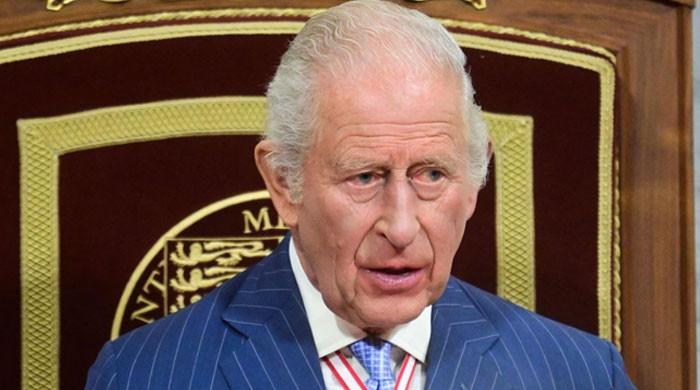
As King Charles continues to navigate his role as monarch, the lessons learned from his property regrets will undoubtedly shape his approach to royal estates moving forward. The importance of preserving history while adapting to modern needs is a challenge that many institutions face, and the monarchy is no exception.
In the future, we may see King Charles taking a more proactive stance in acquiring properties that align with his vision for a sustainable and historically rich royal portfolio. This could involve partnerships with conservation organizations or initiatives aimed at restoring and preserving historic sites that have fallen into disrepair.
Moreover, as the public becomes increasingly interested in the royal family’s connection to the land and its history, there may be opportunities for greater transparency and engagement regarding royal properties. By sharing the stories behind these estates and their significance, King Charles can foster a deeper appreciation for the monarchy’s heritage among the public.
Conclusion
King Charles’ biggest property regret serves as a poignant reminder of the complexities involved in managing royal estates. The connection between his title as Prince of Wales and the properties he oversees underscores the importance of preserving history while adapting to contemporary challenges. As he moves forward in his reign, the lessons learned from past decisions will undoubtedly influence his approach to royal properties, ensuring that the legacy of the monarchy remains intact for future generations.
If you’re interested in learning more about the royal family’s properties and their historical significance, stay tuned for more exclusive insights and updates!